The Phenomenal
2025
The exhibition The Phenomenal: Zdzisław Beksiński took place from April 13 to August 24, 2025, at the National Museum in Wrocław. I developed the visual identity and display design, as well as the design of the catalog accompanying the exhibition.
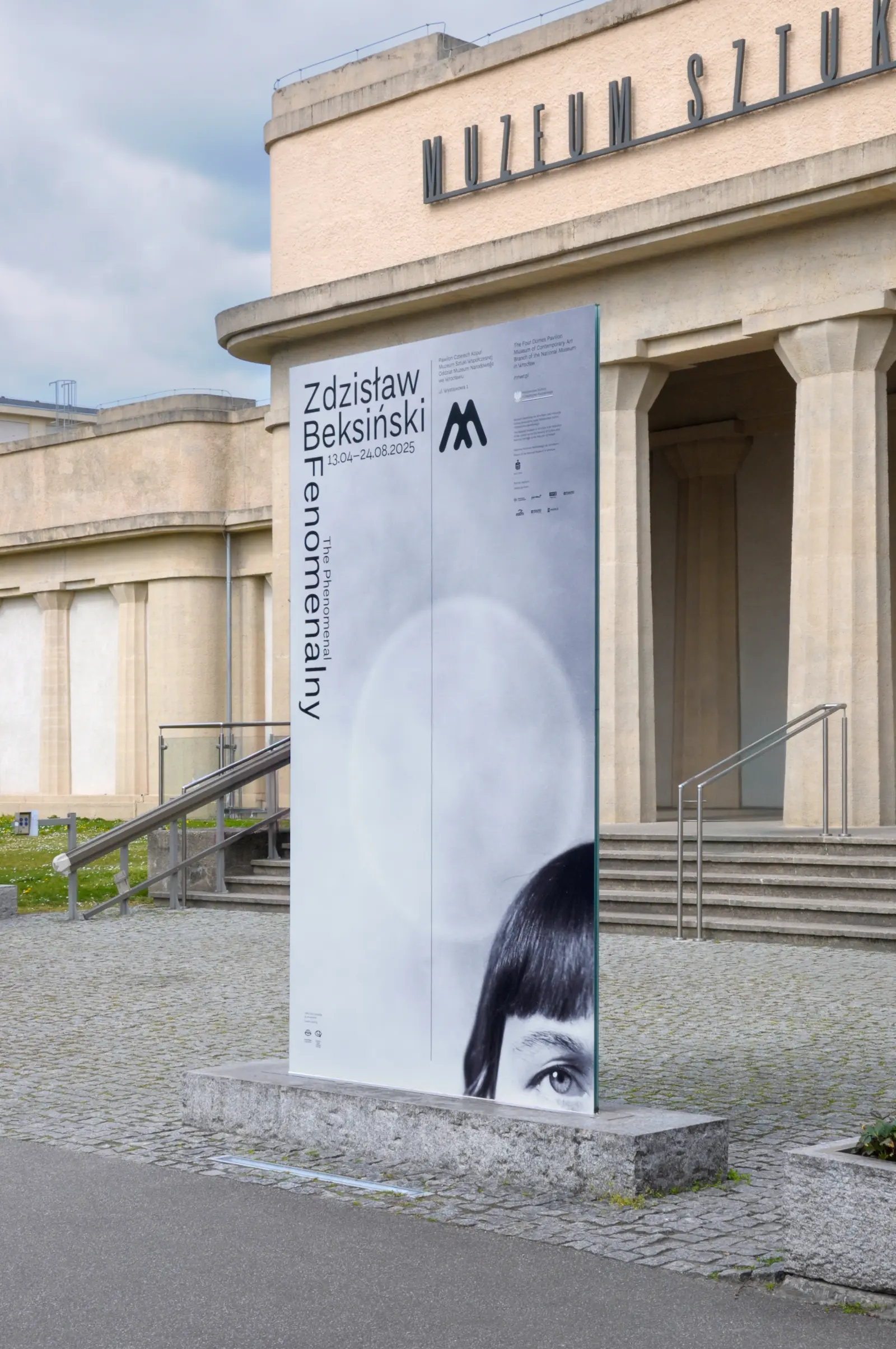
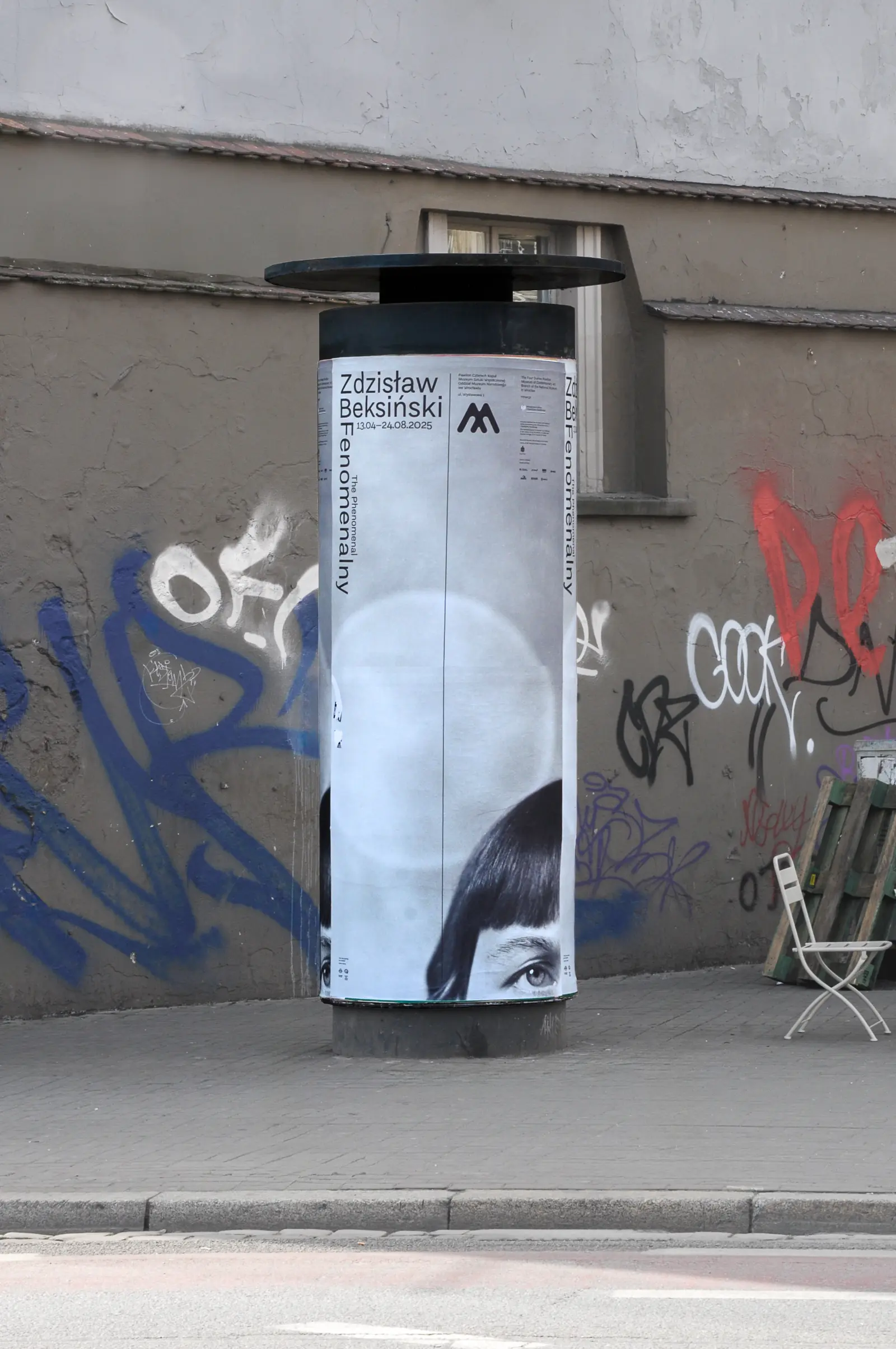
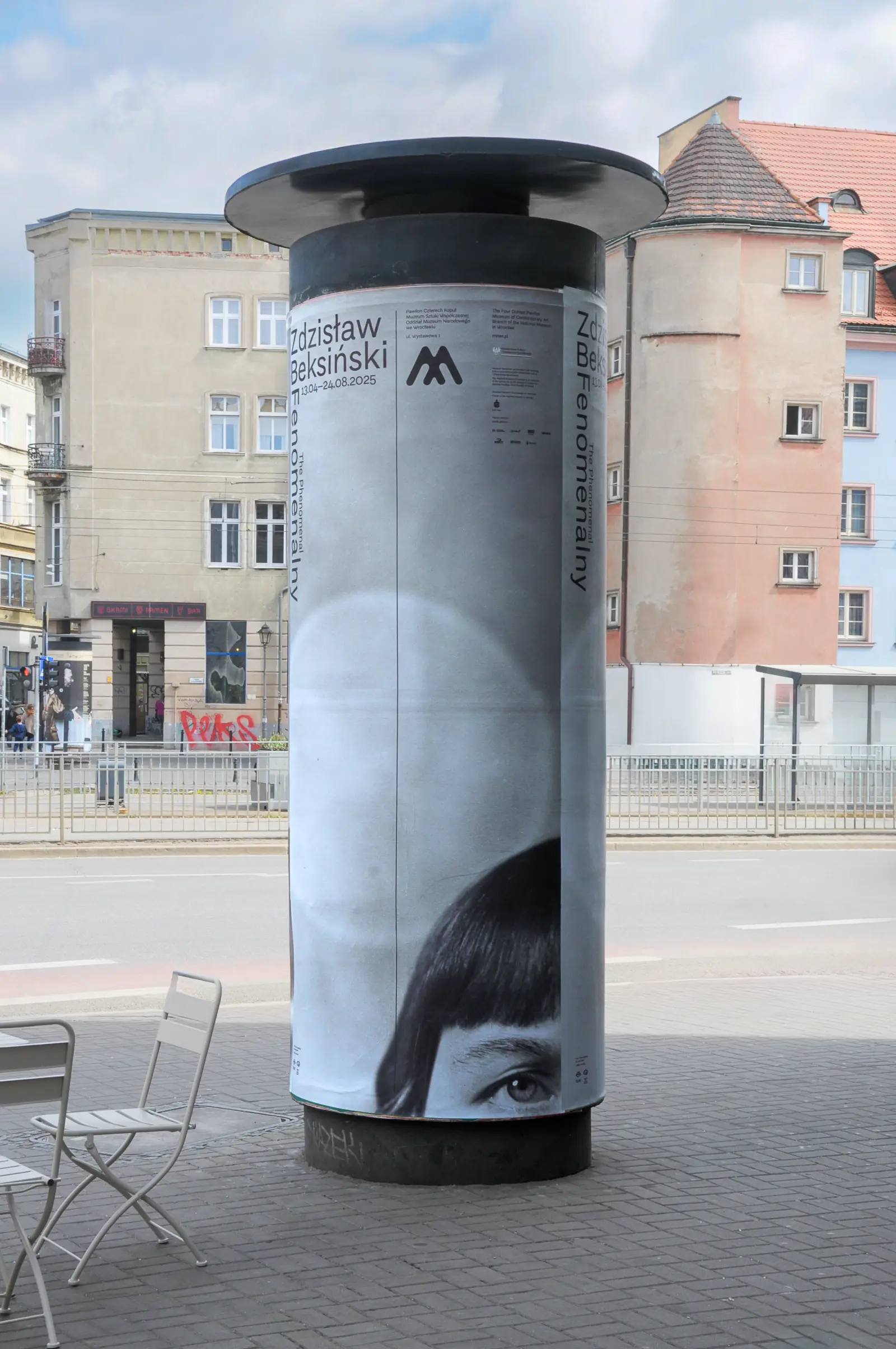
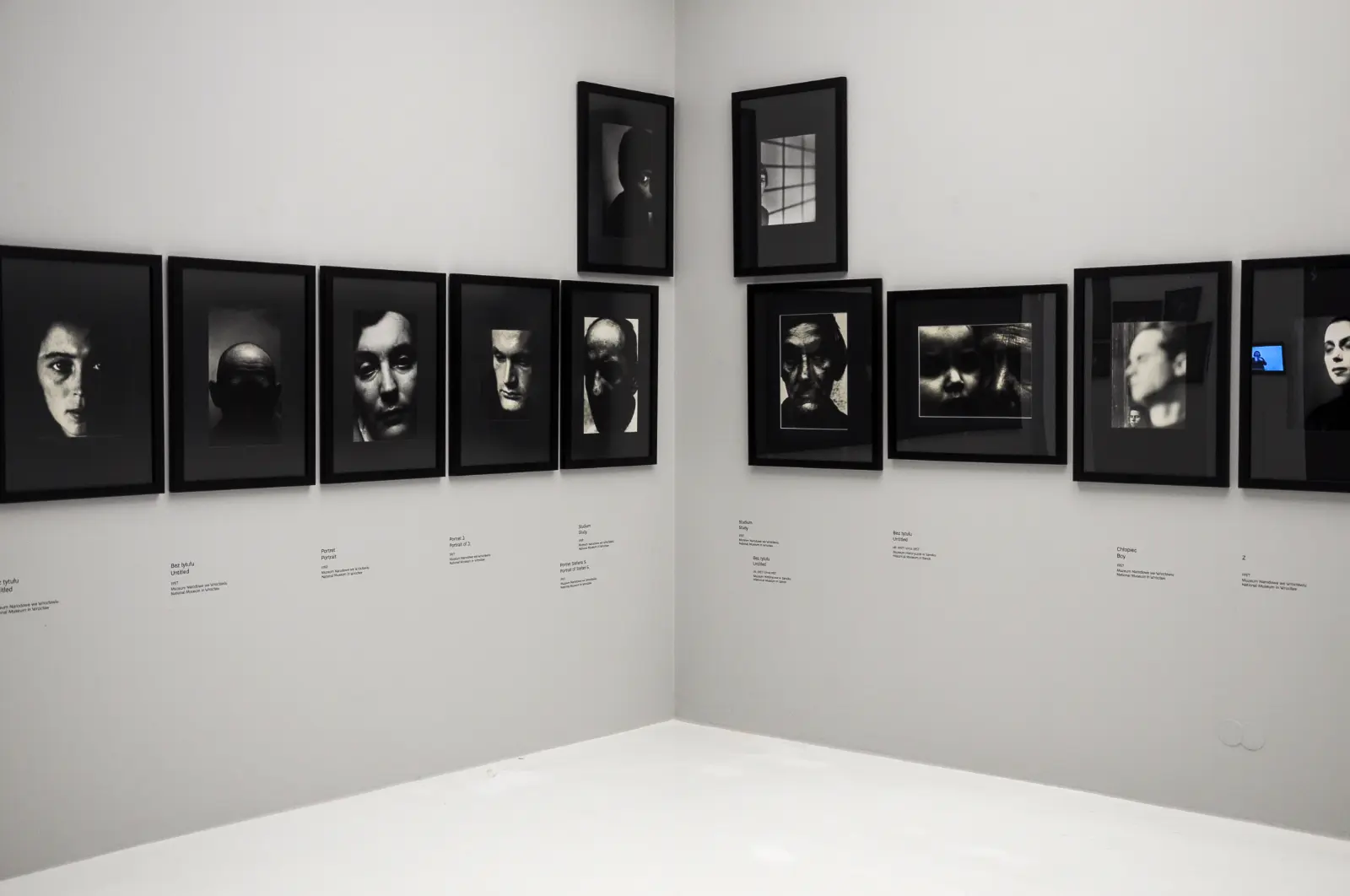
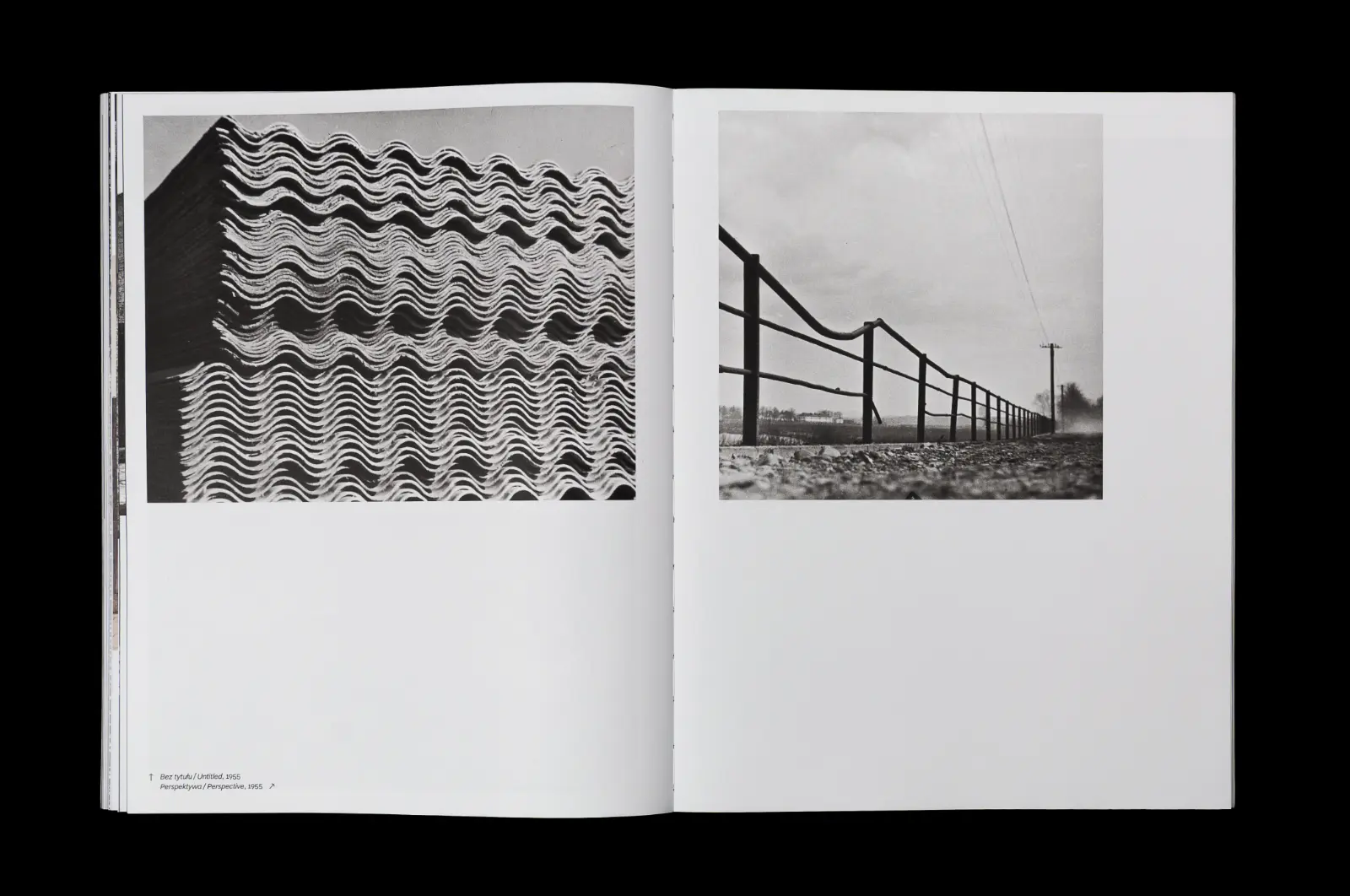
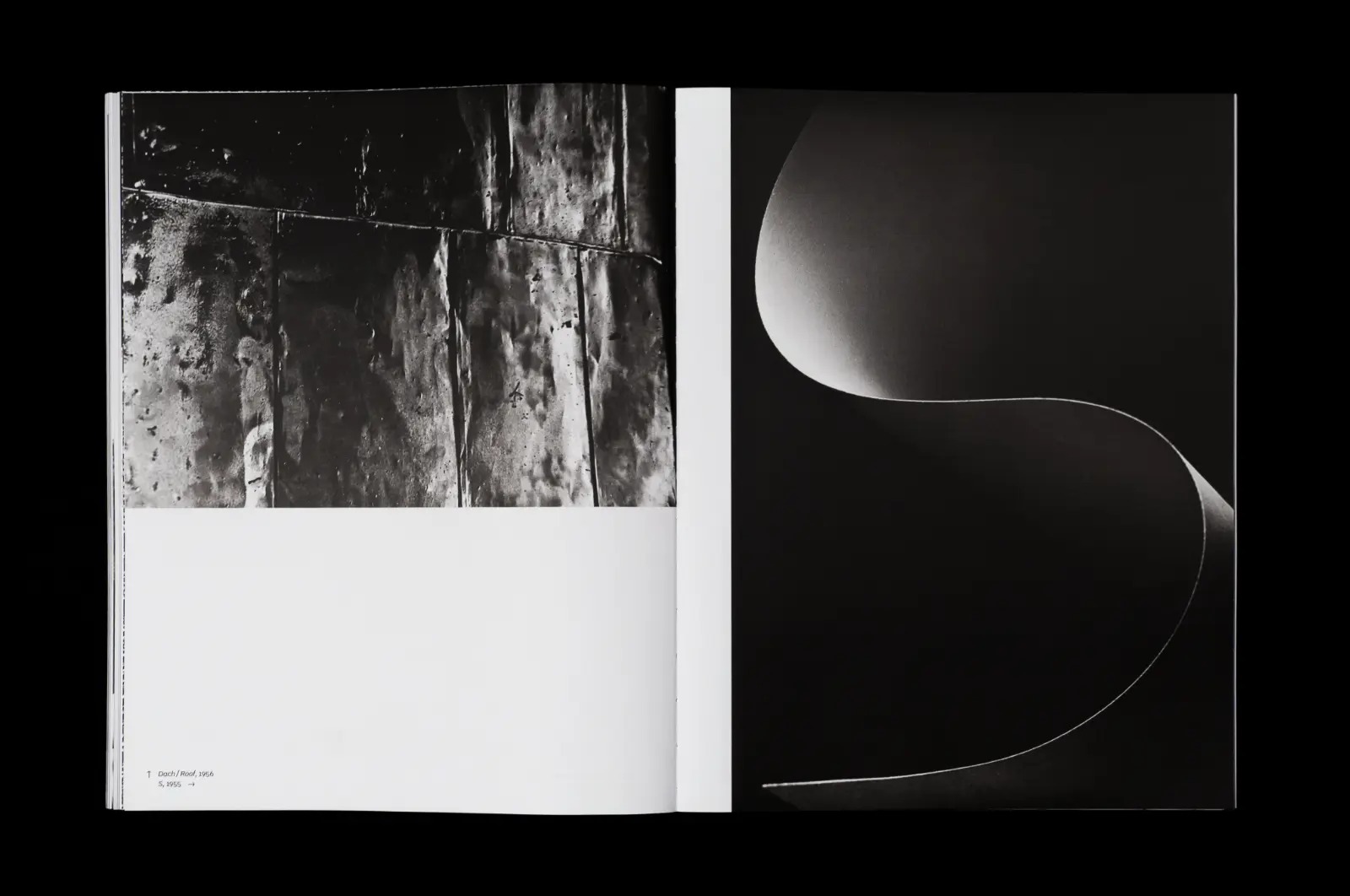
Zdzisław Beksiński is currently known mainly as a painter, but in the 1950s and 1960s he was involved in photography. Aleksandra Szwedo, the exhibition curator, selected over 150 of his black-and-white photographs, which are characterized by exceptionally precise compositions.
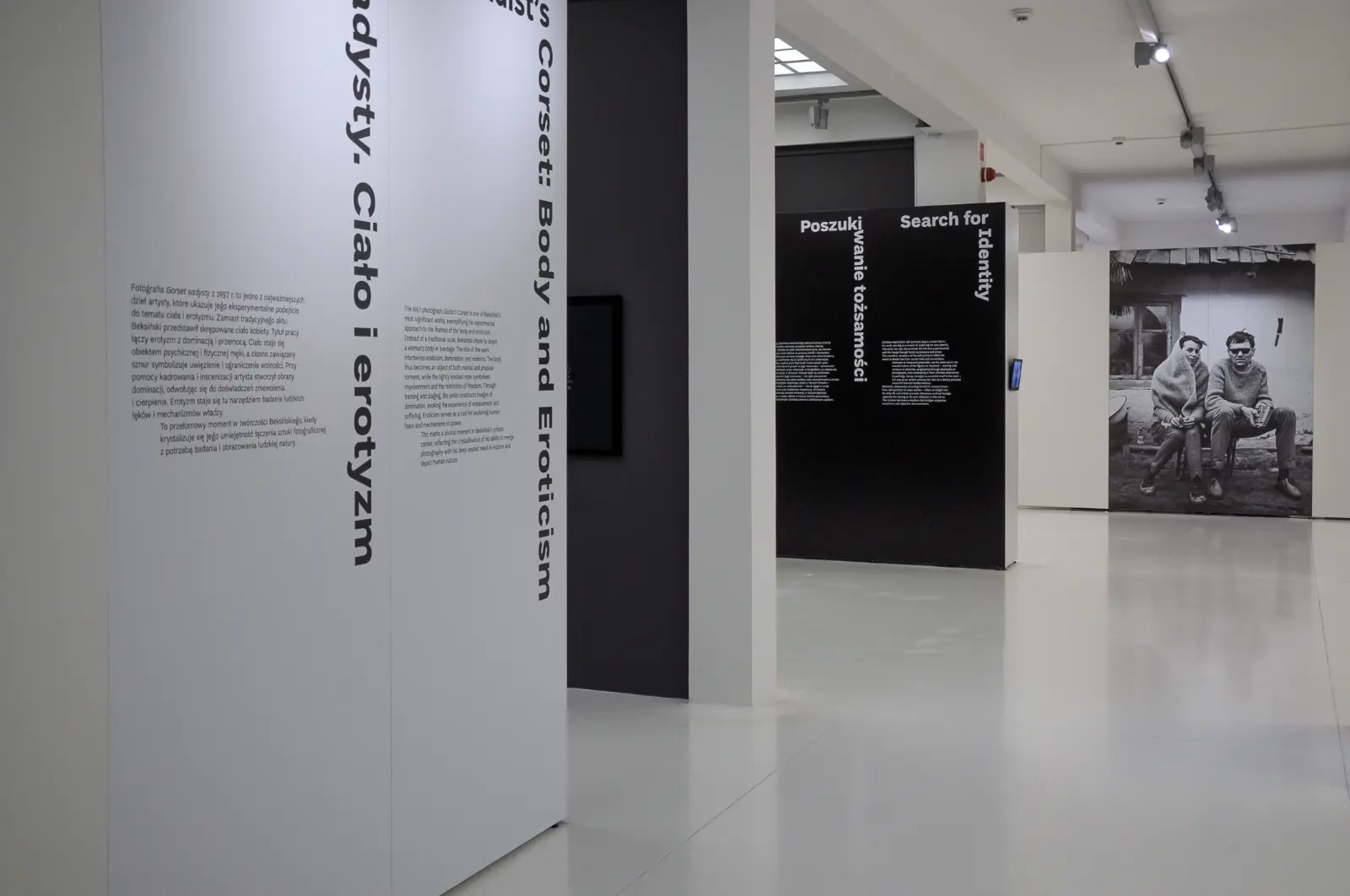
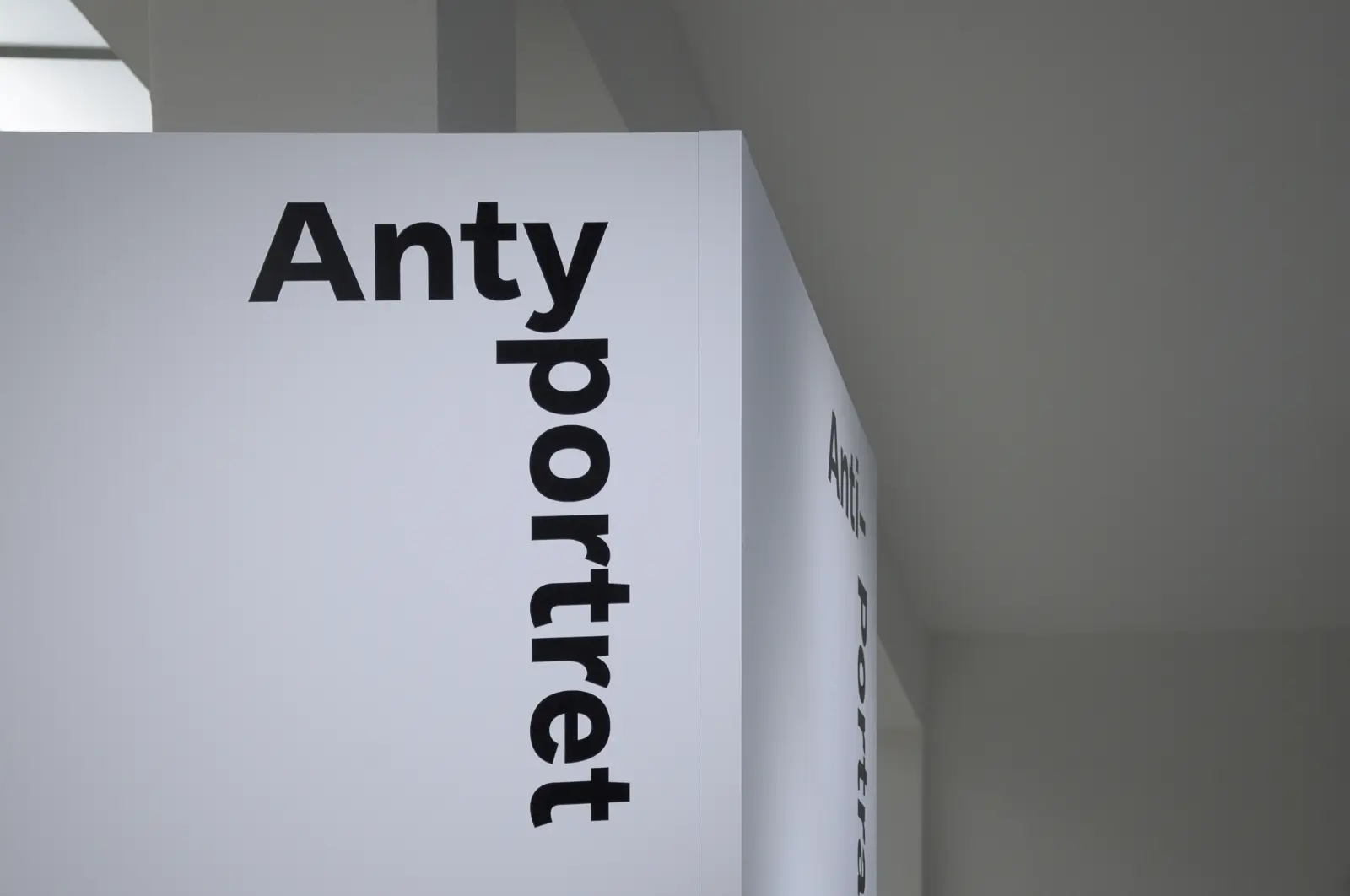
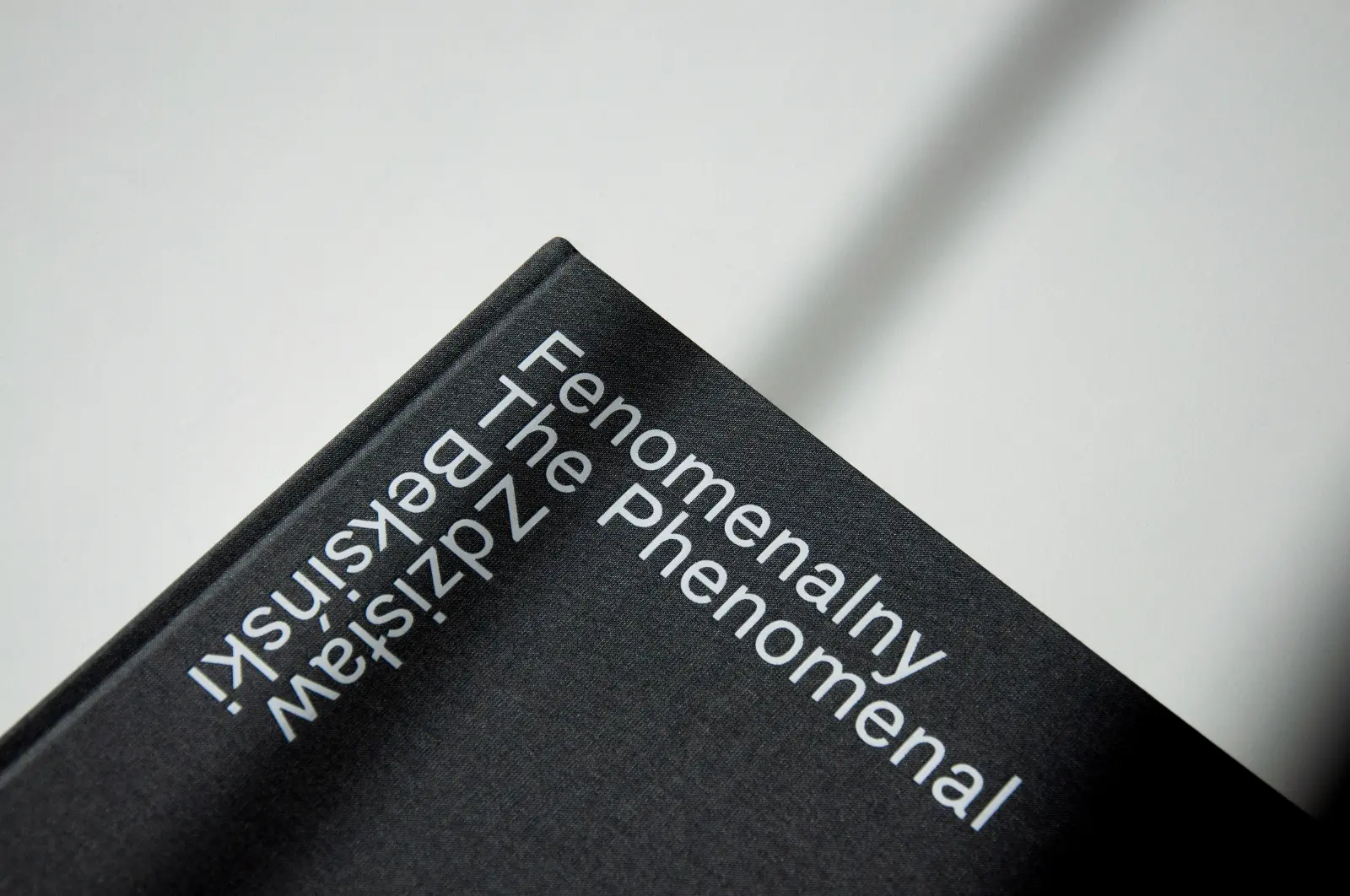
In the process of creating the visual identity, I referred to the subtle compositions of Beksiński’s frames. By placing the title in the corner of the poster, I reffered to the cropping icon known from graphic design programs and photo editing applications. I consistently repeated this procedure in the exhibition space and on the pages of the catalog.
This is how curator Aleksandra Szwedo interpreted my project:
The poster was intended to reflect the atmosphere of Beksiński’s photographs – mystery, anxiety and reflection on human nature. Composition no. 17 depicts a fragment of the face of Zofia, the artist’s wife. The eye—both a tool and a symbol of vision—directed straight at a viewer, encouraging them to confront their own gaze.
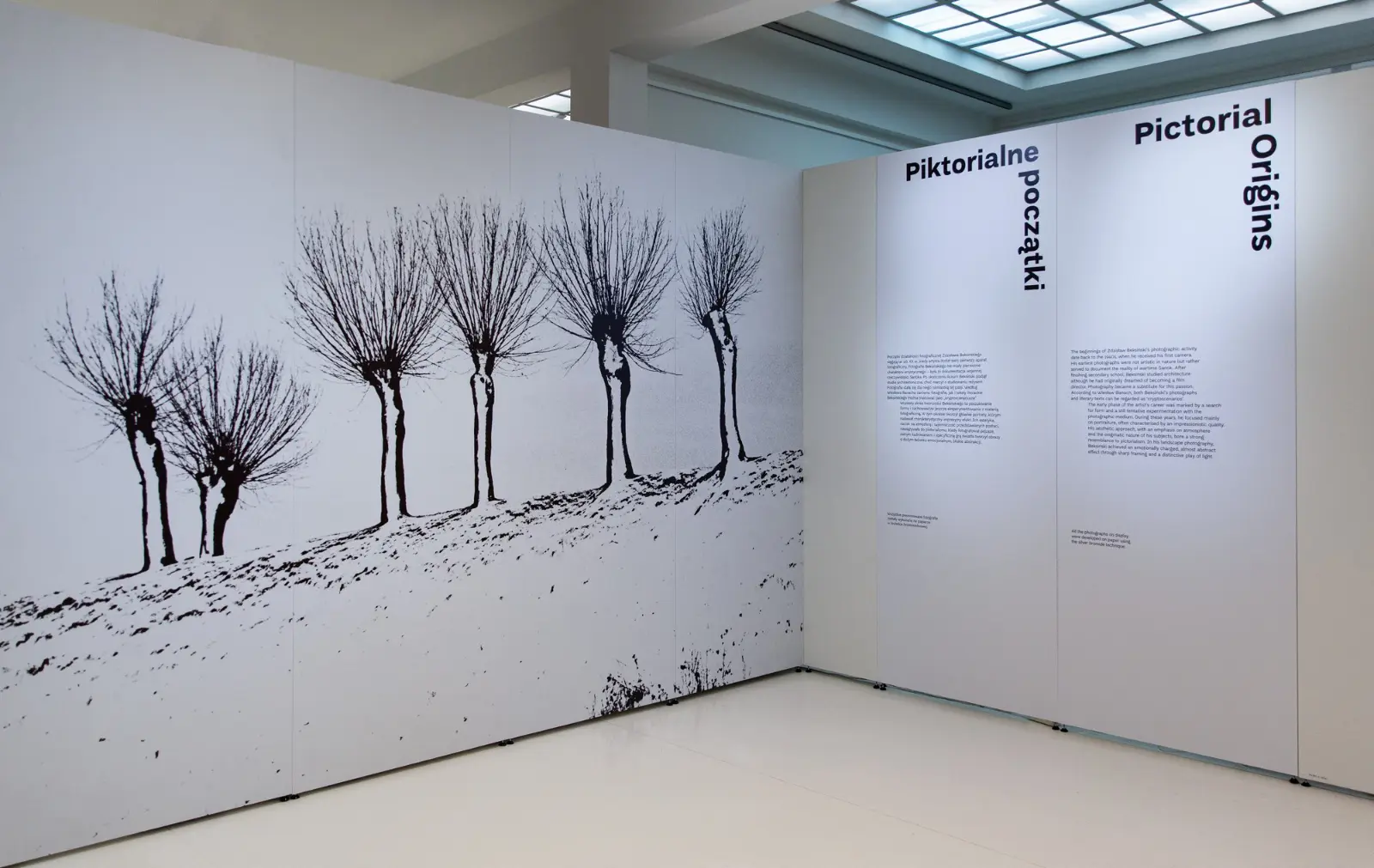
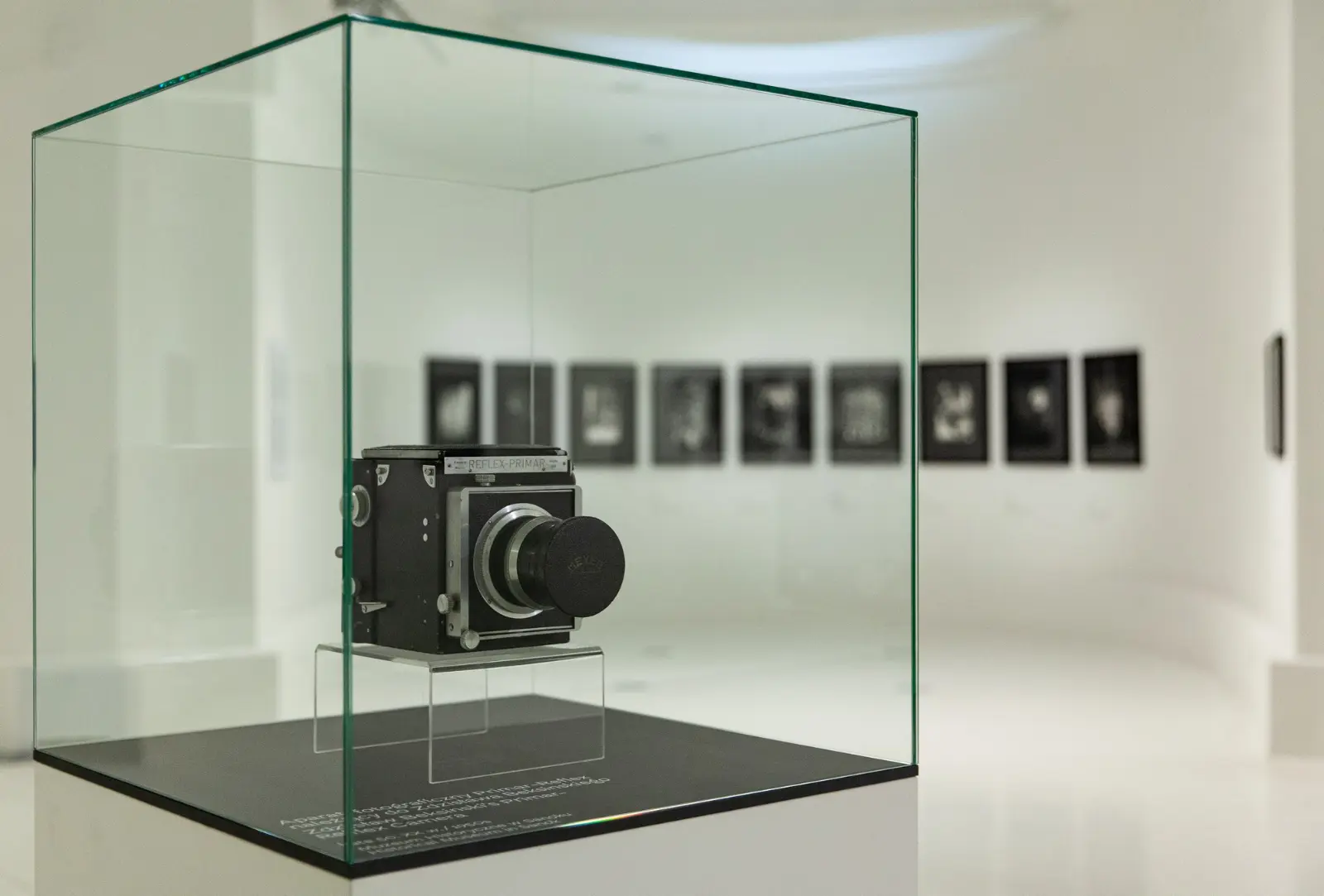
The exhibition covered twelve rooms and the space of one dome of the Four Domes Pavilion. I designed the layout, architecture, and typography of the exposition. The photographs on display come from the extensive collections of the National Museum in Wrocław and the Historic Museum in Sanok. Some of the earlier works have not been exhibited before.
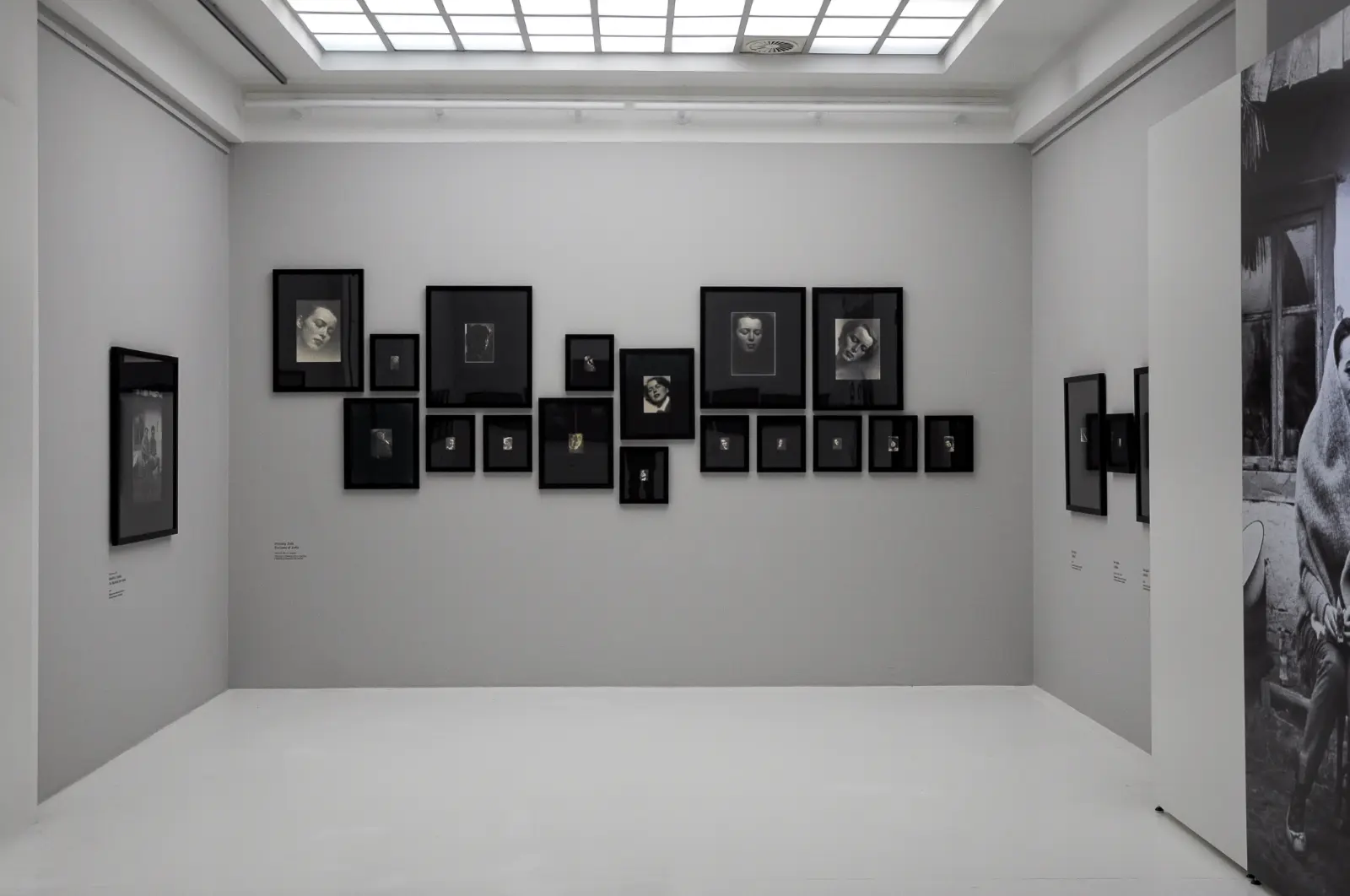
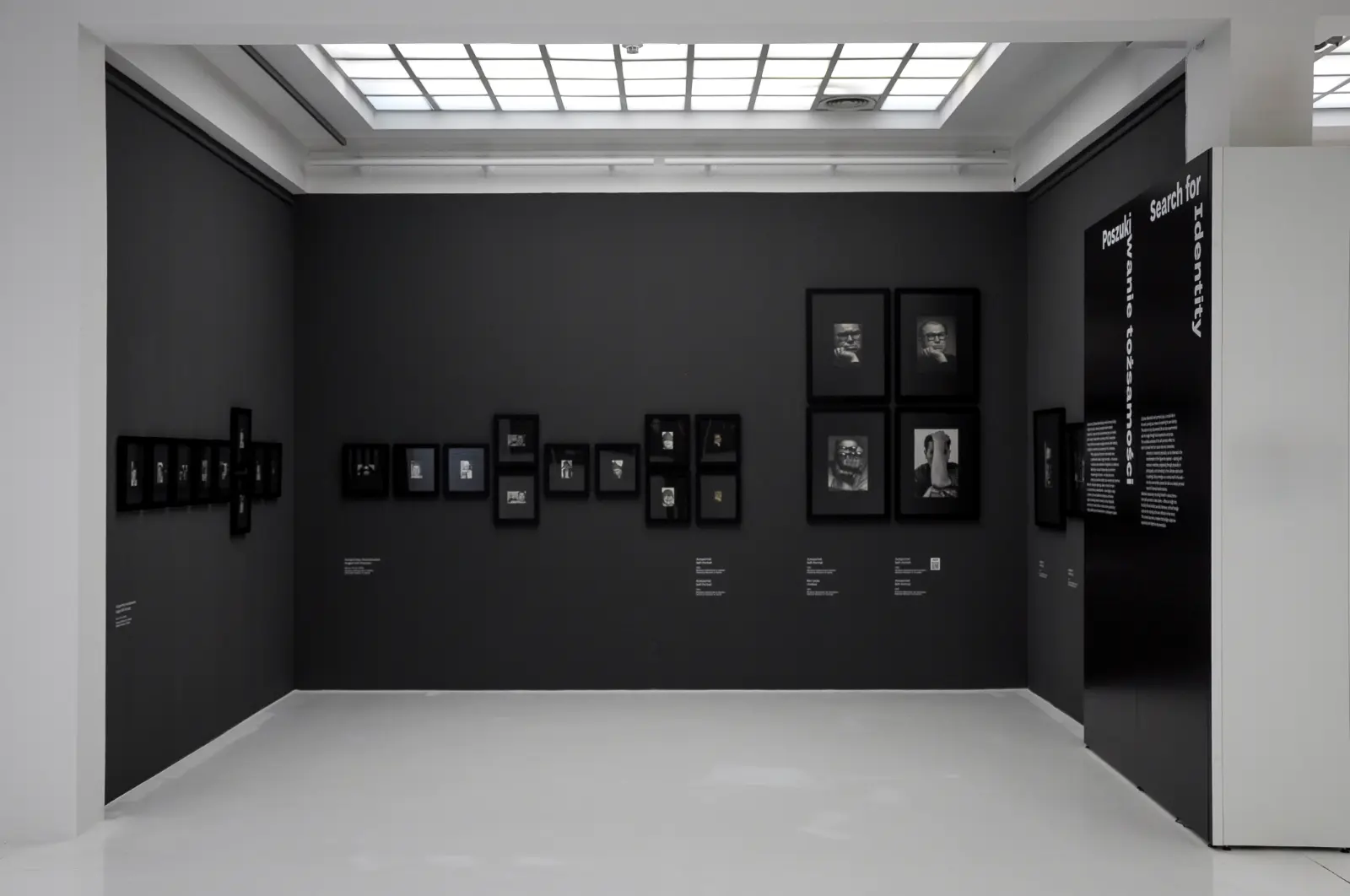
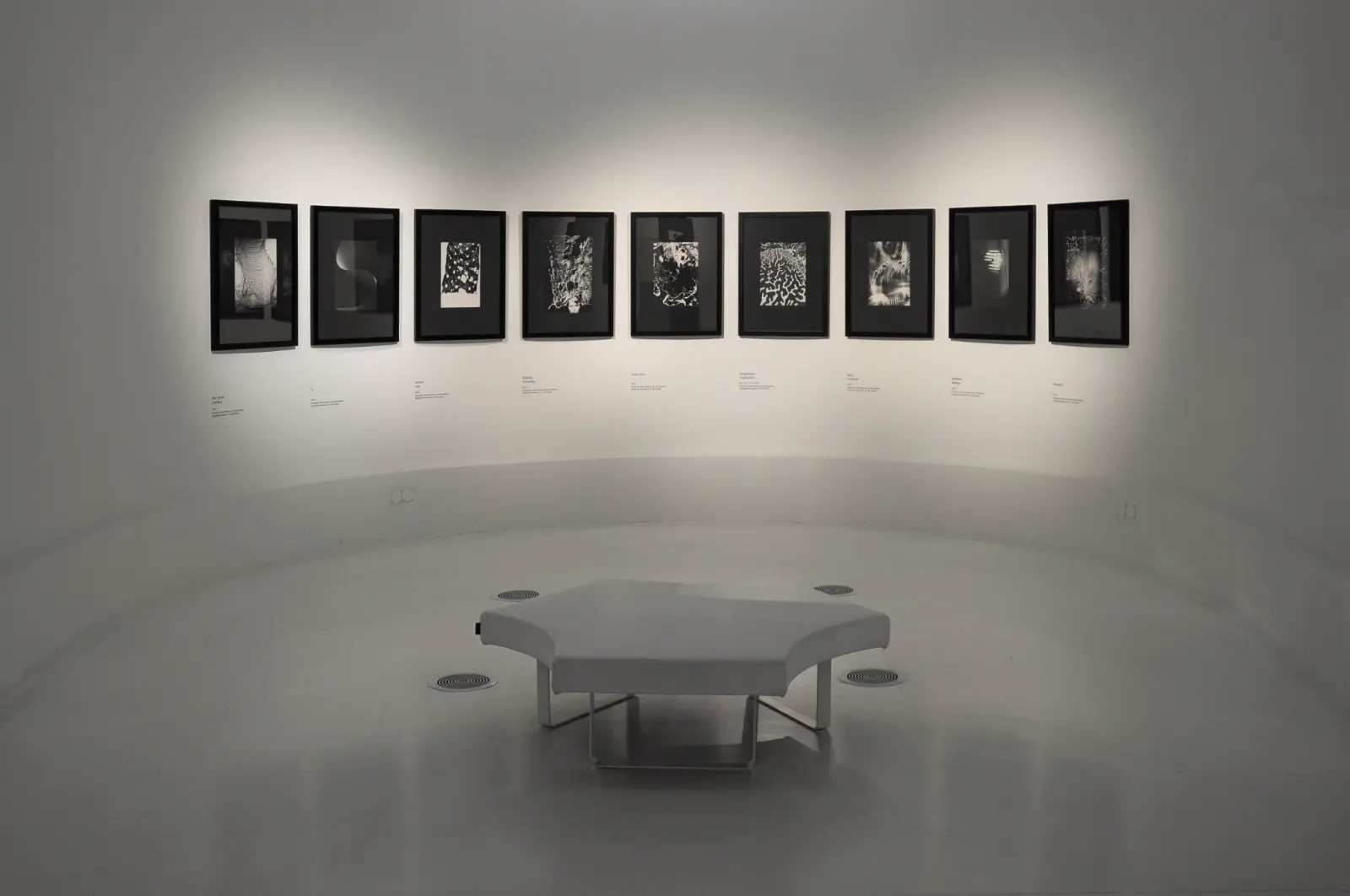
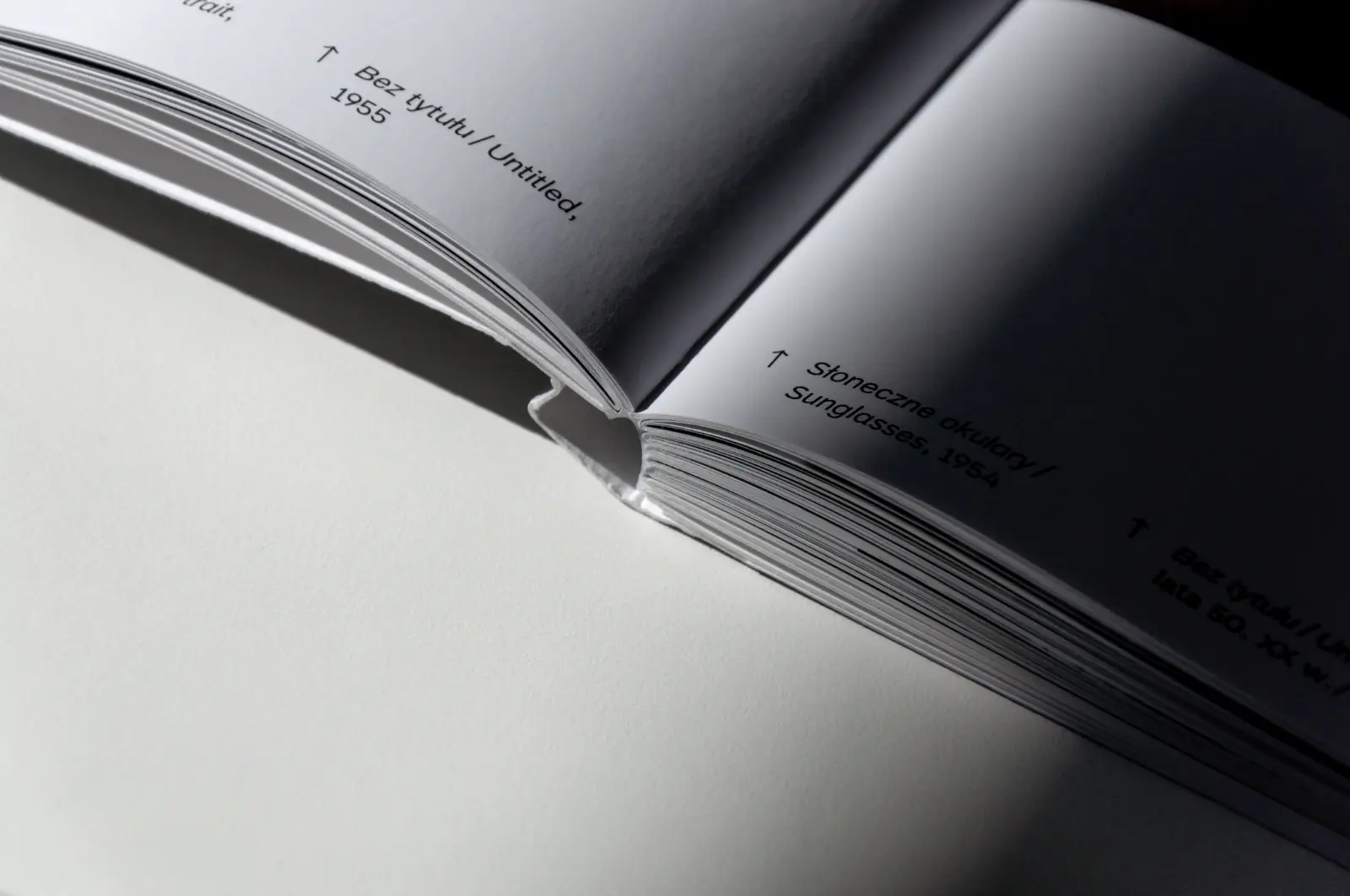
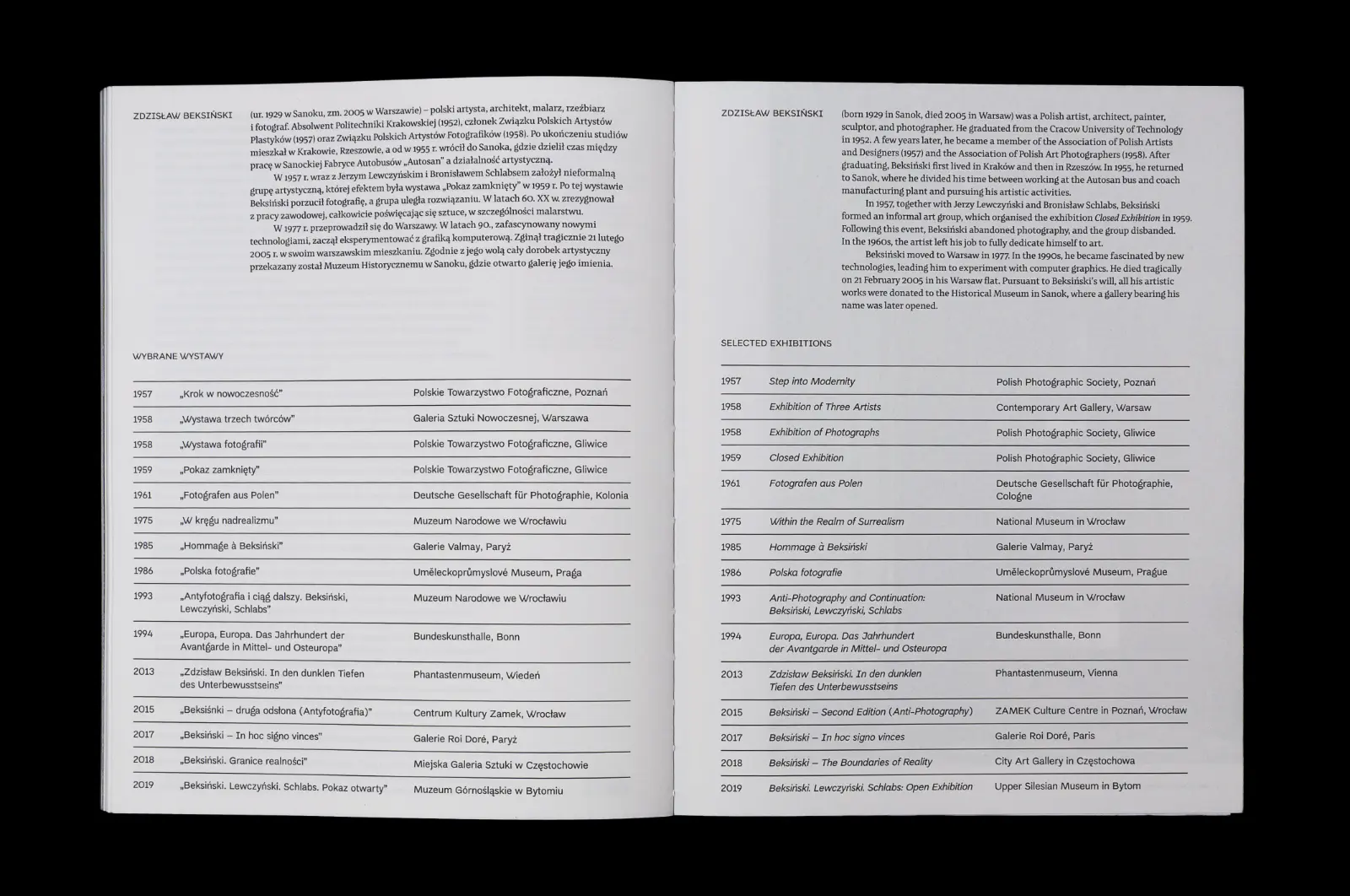
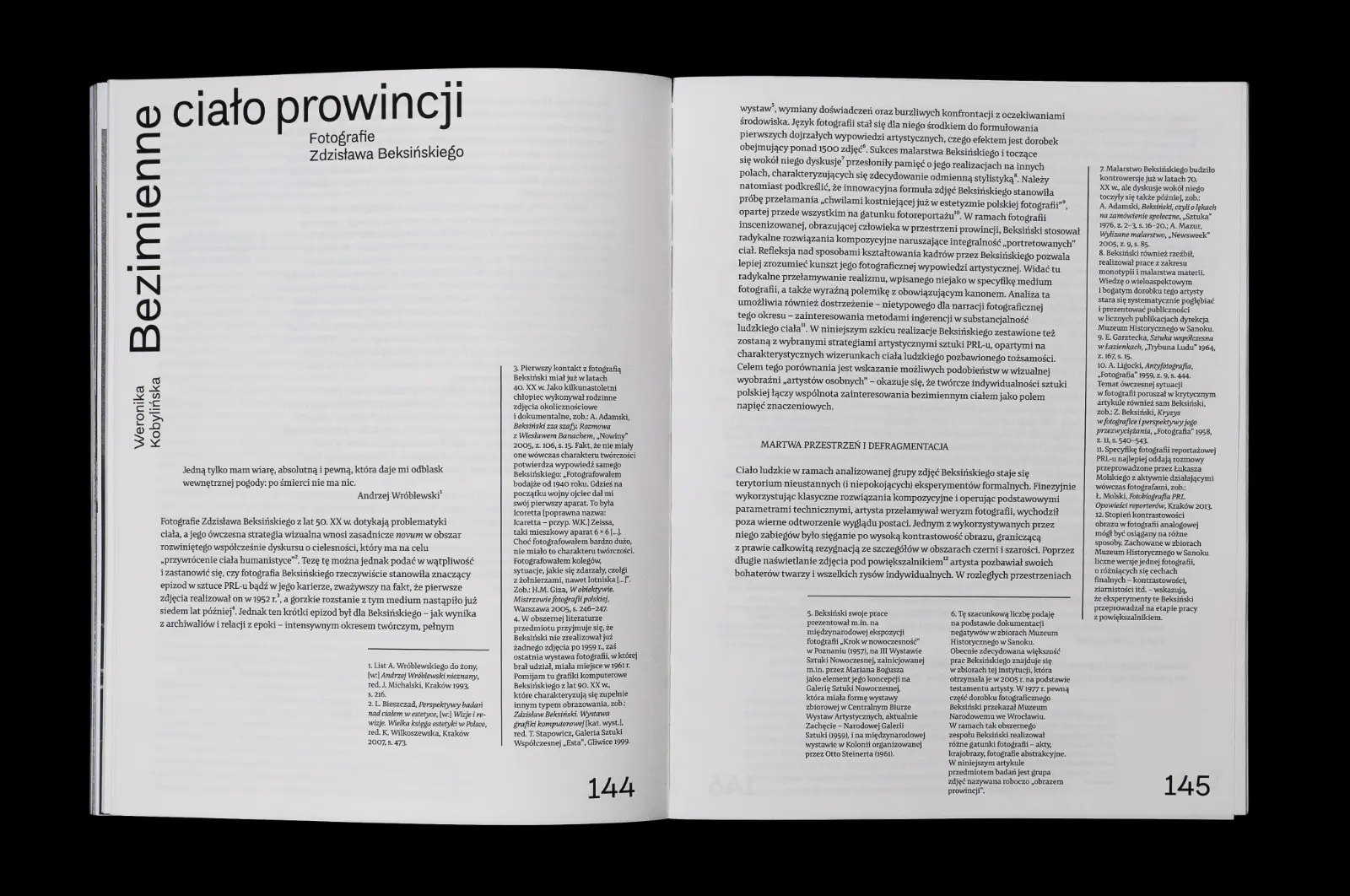
The accompanying publication features texts by Weronika Kobylińska, Adam Mazur, Adam Sobota, and Aleksandra Szwedo. The album section contains photos presented at the exhibition. While working on the layout, I looked for the most accurate relationships between individual photographs. I sorted and grouped them, creating a visual narrative that guides the reader through the book, interpreting Beksiński’s photographic work. The book was published in two versions: hardcover and softcover.
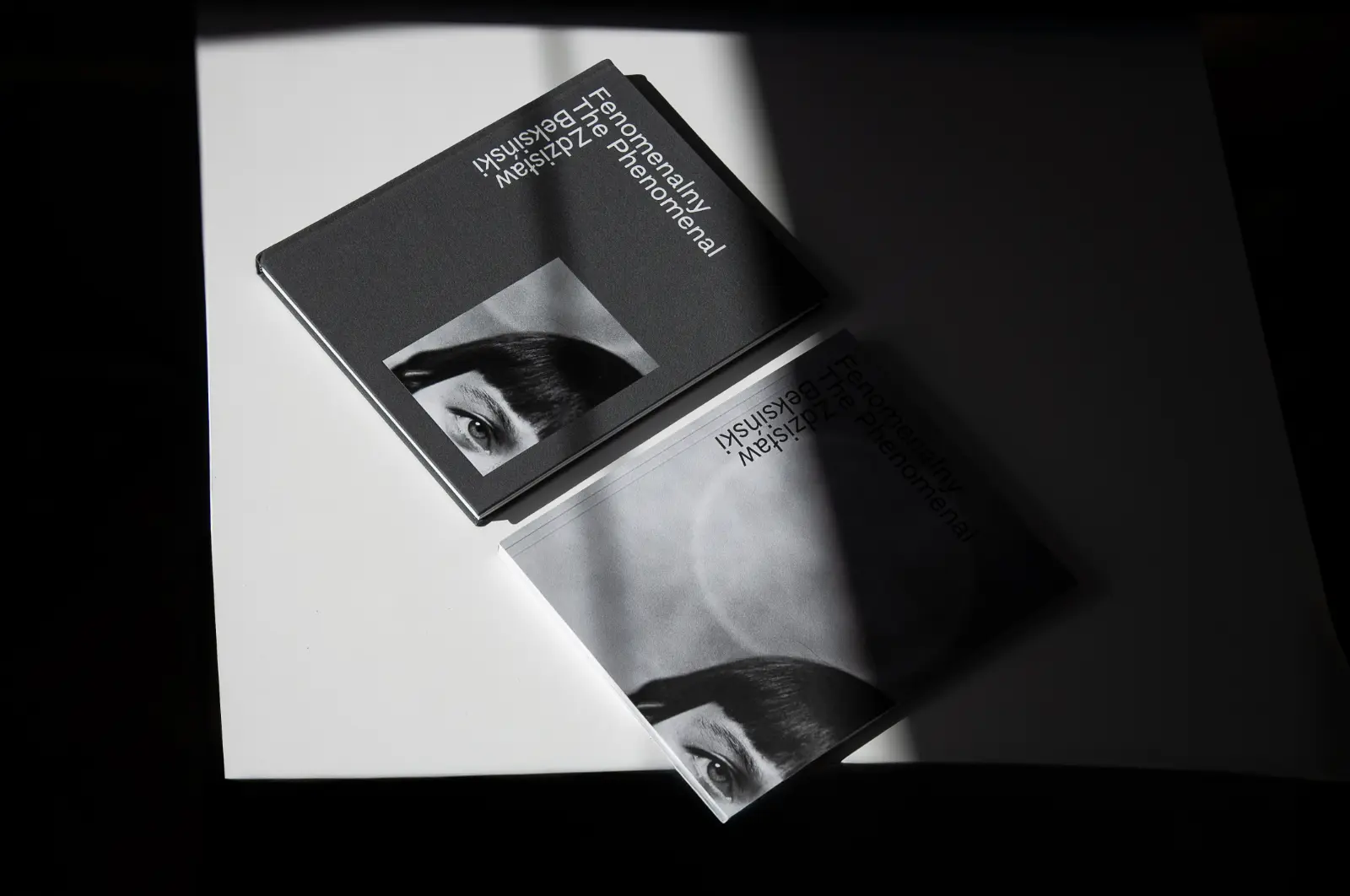
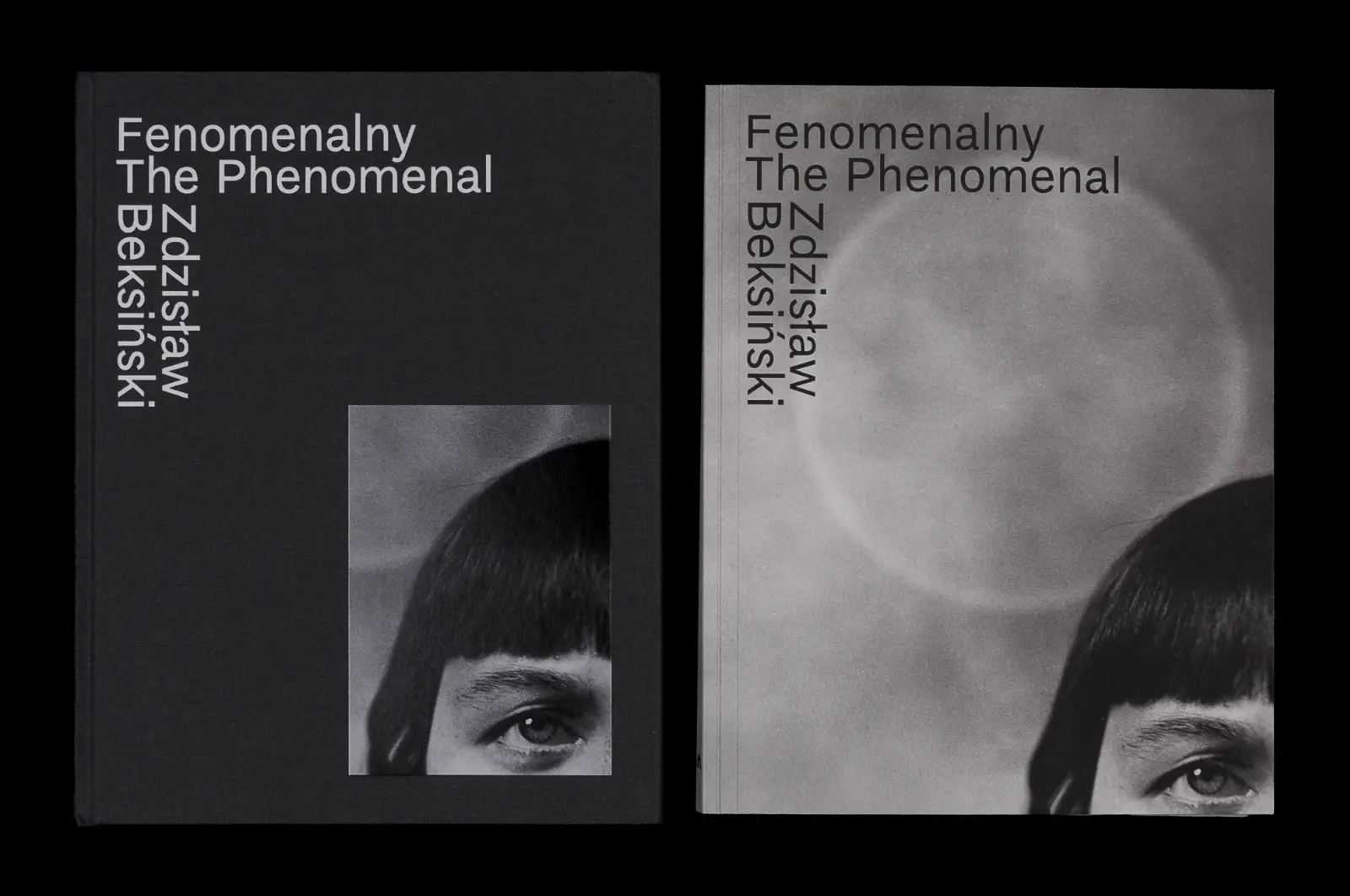
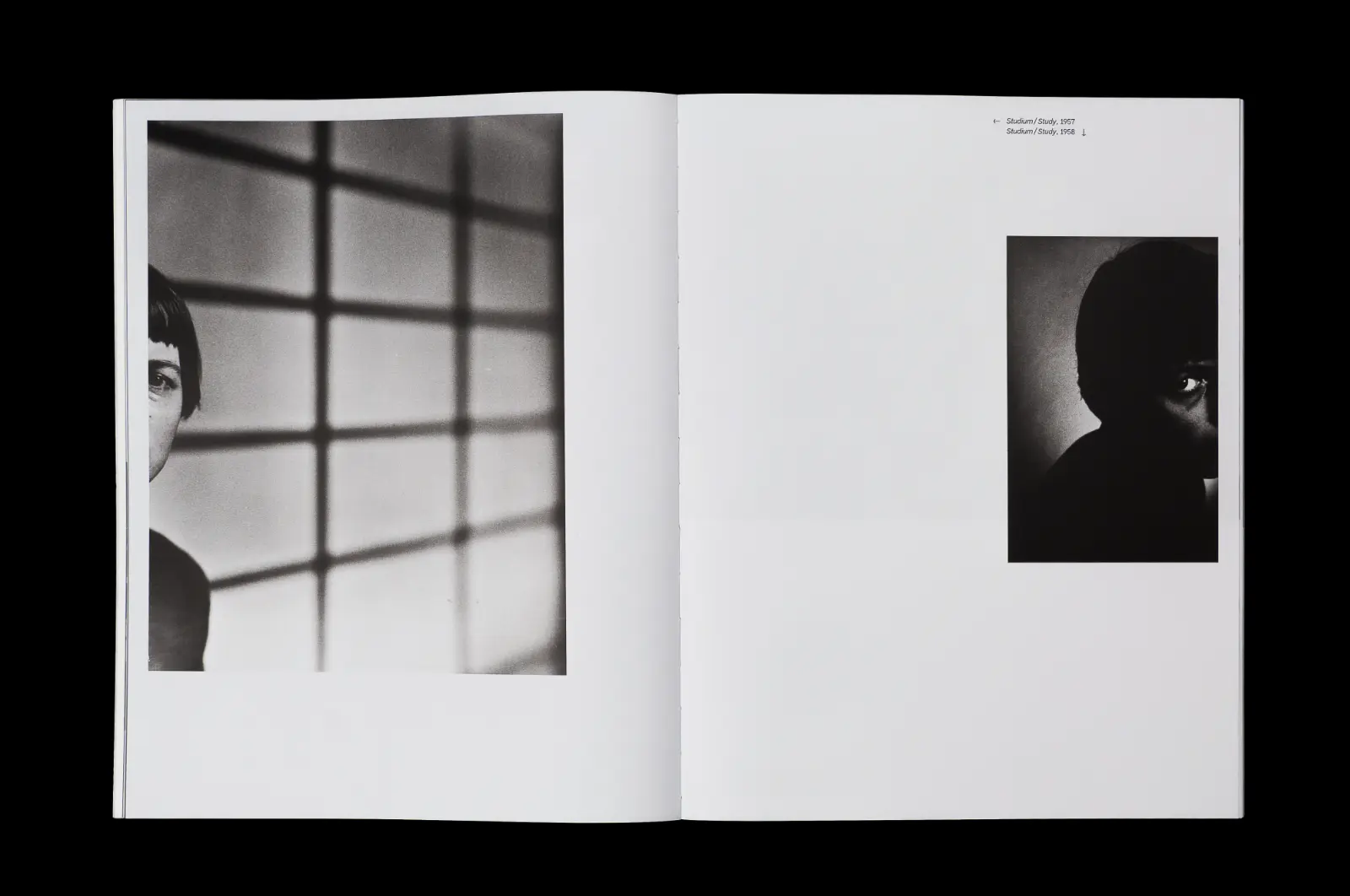
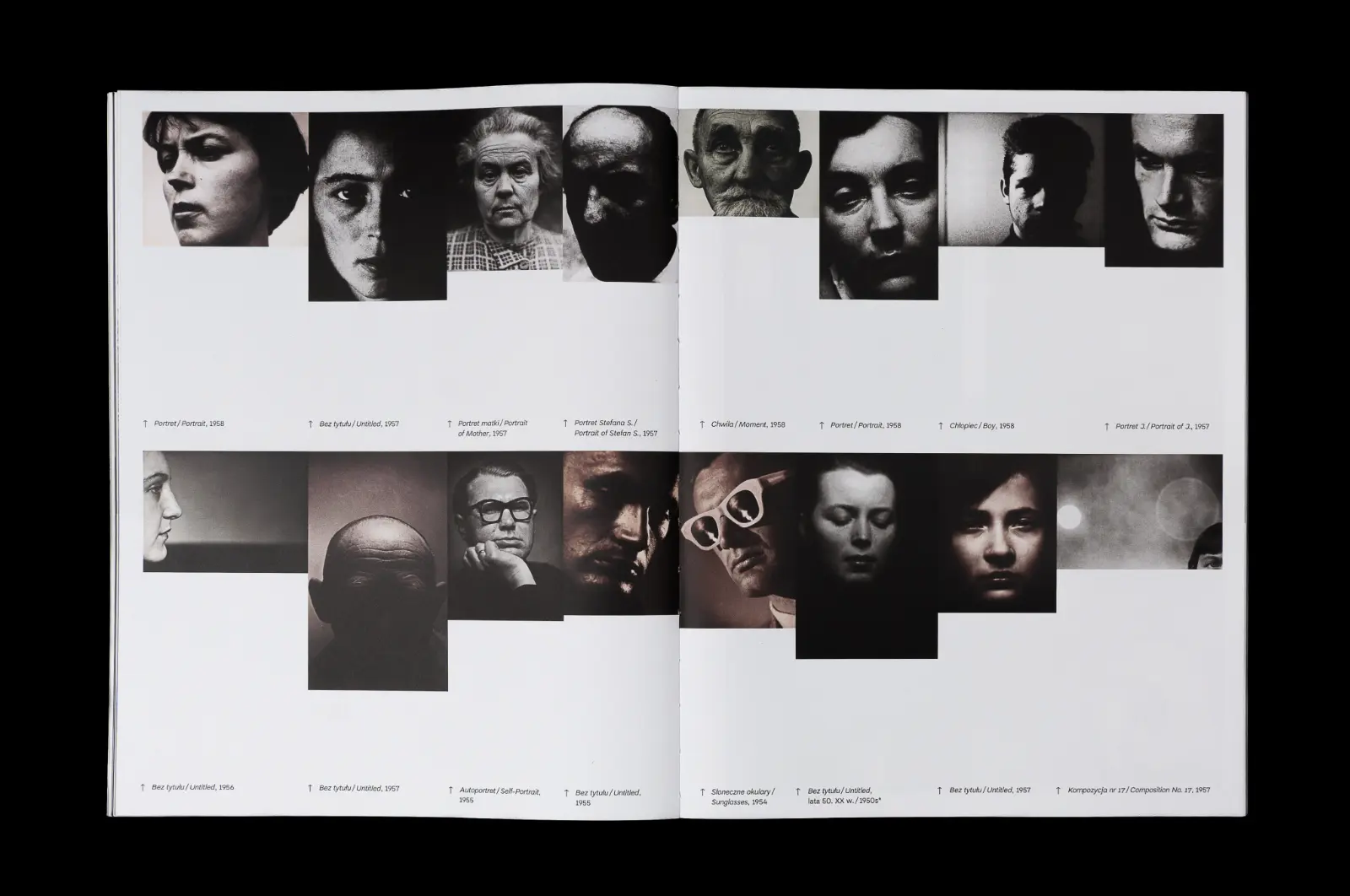
Below is my commentary on the process of creating the design, written at the Museum’s request:
Thanks to the fact that Beksiński’s photographs are very graphic in themselves, composing and combining them was very enjoyable — almost like a word-association game or a set of jigsaw puzzles. I admit that I don’t particularly like Beksiński’s paintings; however, his photographs are a completely different story for me. Classic, highly precise shots that capture the life and infrastructure of 1950s Poland with remarkable clarity, enriched by interesting and diverse formal experiments.
Both quotes come from the website of the National Museum in Wrocław (in Polish only).