W–E: Life Between West and East
2025
A chance visit to a popular fast food restaurant prompted me to reflect on my place in the world and how it has changed over the last thirty years. In the 1990s, we lived in Poland between the West and the East. Right now, it seems like we are somewhere else, but sometimes we go back there. You can read about this in the comic zine W–E: Life between West and East, published and printed on a Risograph by Oficyna Peryferie.
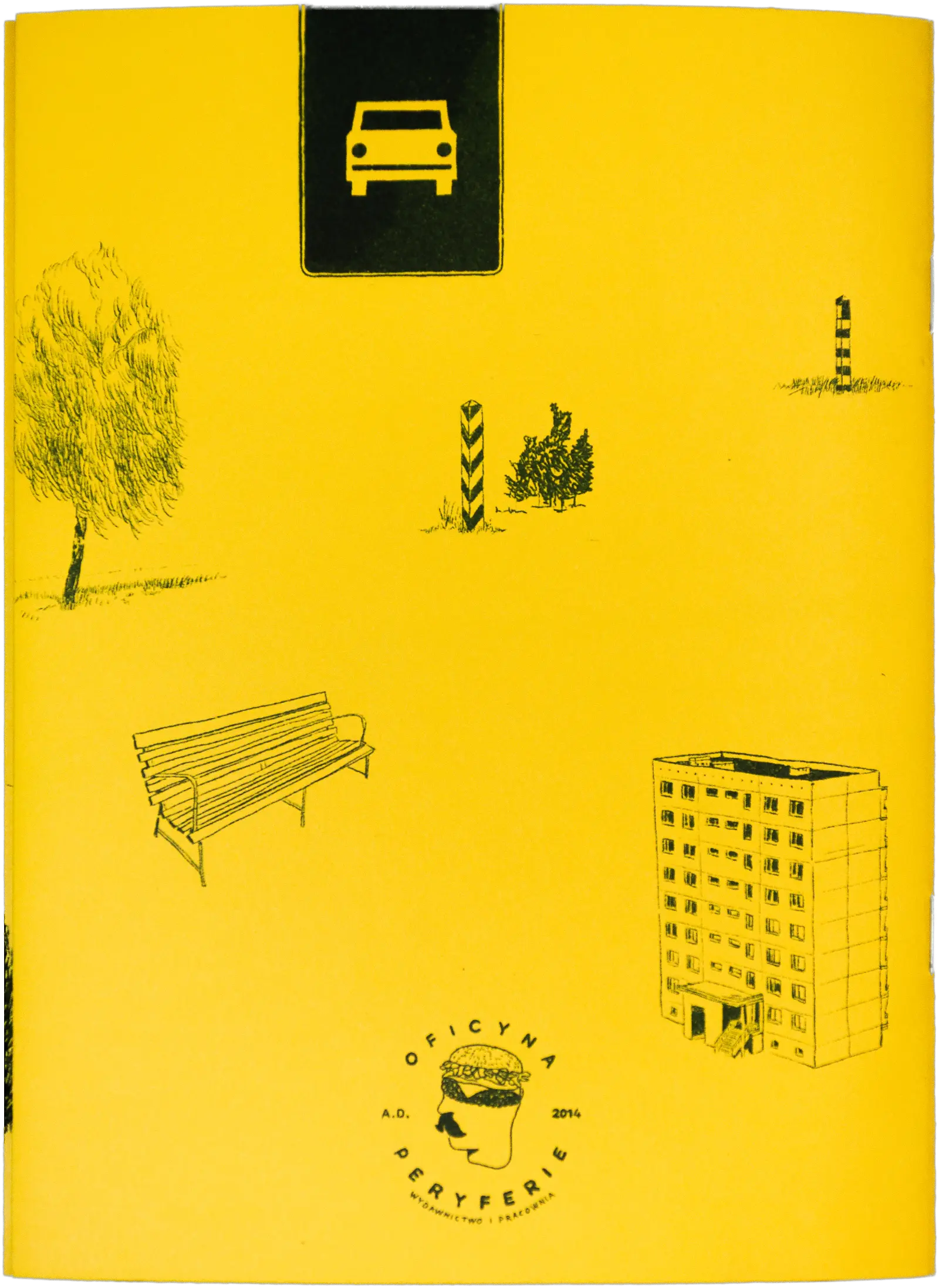
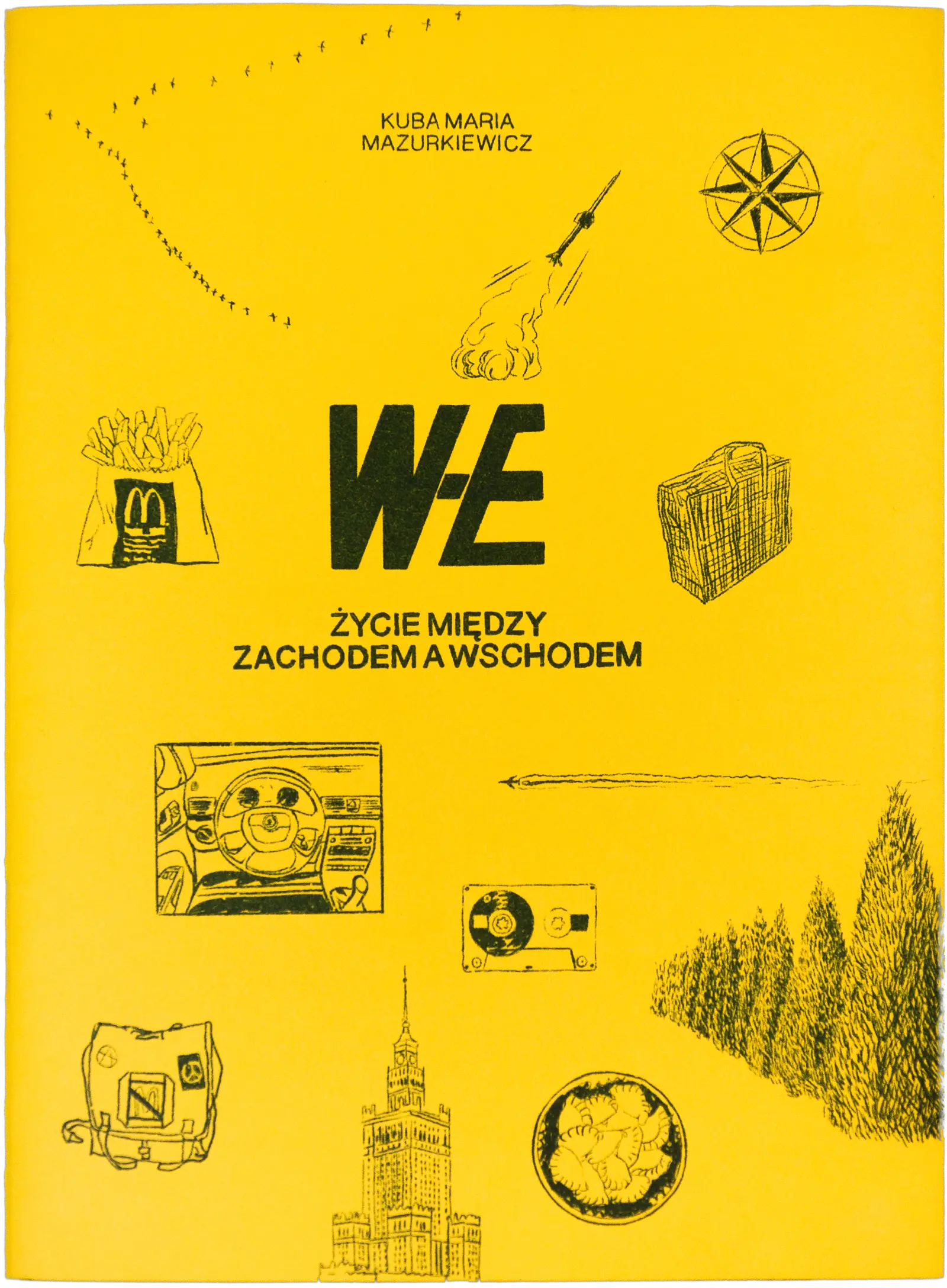
In 1989, communism in Poland came to an end, and the country entered the uneasy path of transformation. Not long after, at one of Warsaw’s main intersections, a first Polish McDonald’s opened its doors.
At the inauguration stood, among others, Agnieszka Osiecka – a wildly popular, fiercely independent poet. Today, the very thought of such a scene feels surreal. Back then, however, it made sense: McDonald’s wasn’t seen as just another greasy fast-food chain, but as the vanguard of the West. It stood for the promise of free consumption – something we had craved and, after forty-five years of socialist abstinence, also feared. Doubts aside, the first stop on the road to the West was already behind us.
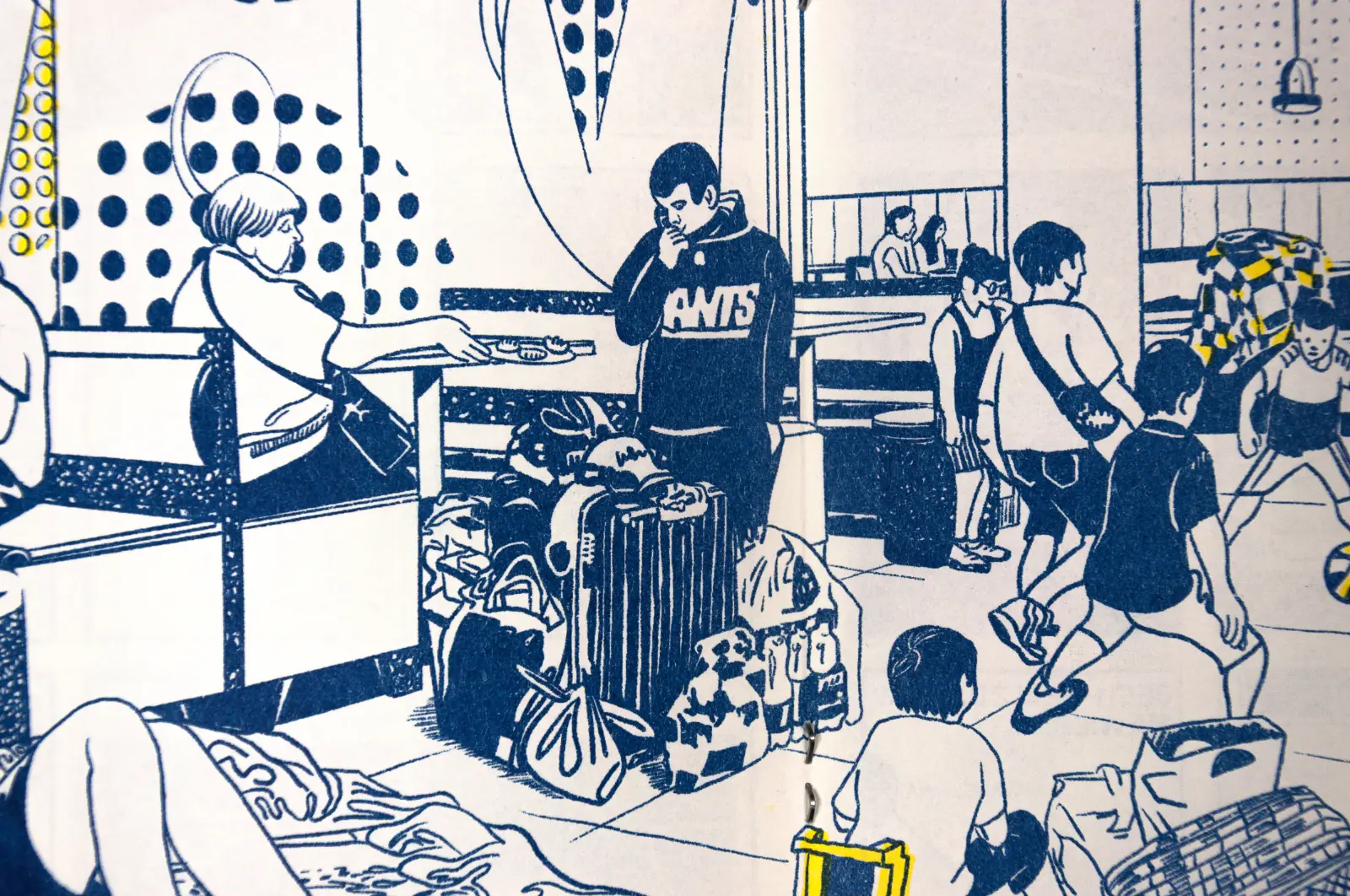
Over time, McDonald’s blended so seamlessly into the Polish landscape that it ceased to draw much attention – unless one happened to be reinvented from the ground up as a community hub for refugees. The war in Ukraine now reminds us, in a grim way, that no matter how many McDonald’s we build, we will always remain suspended somewhere between West and East.
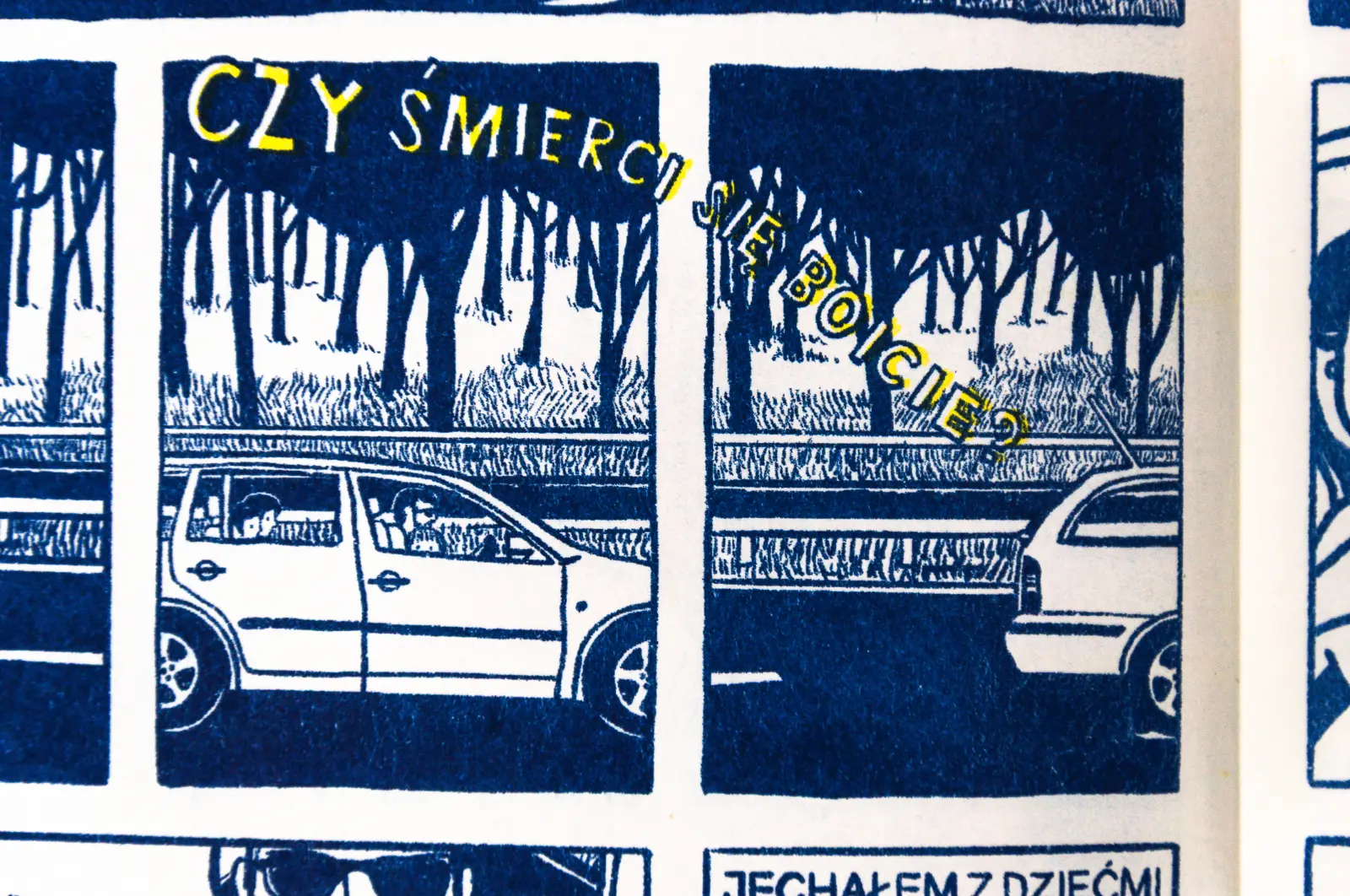
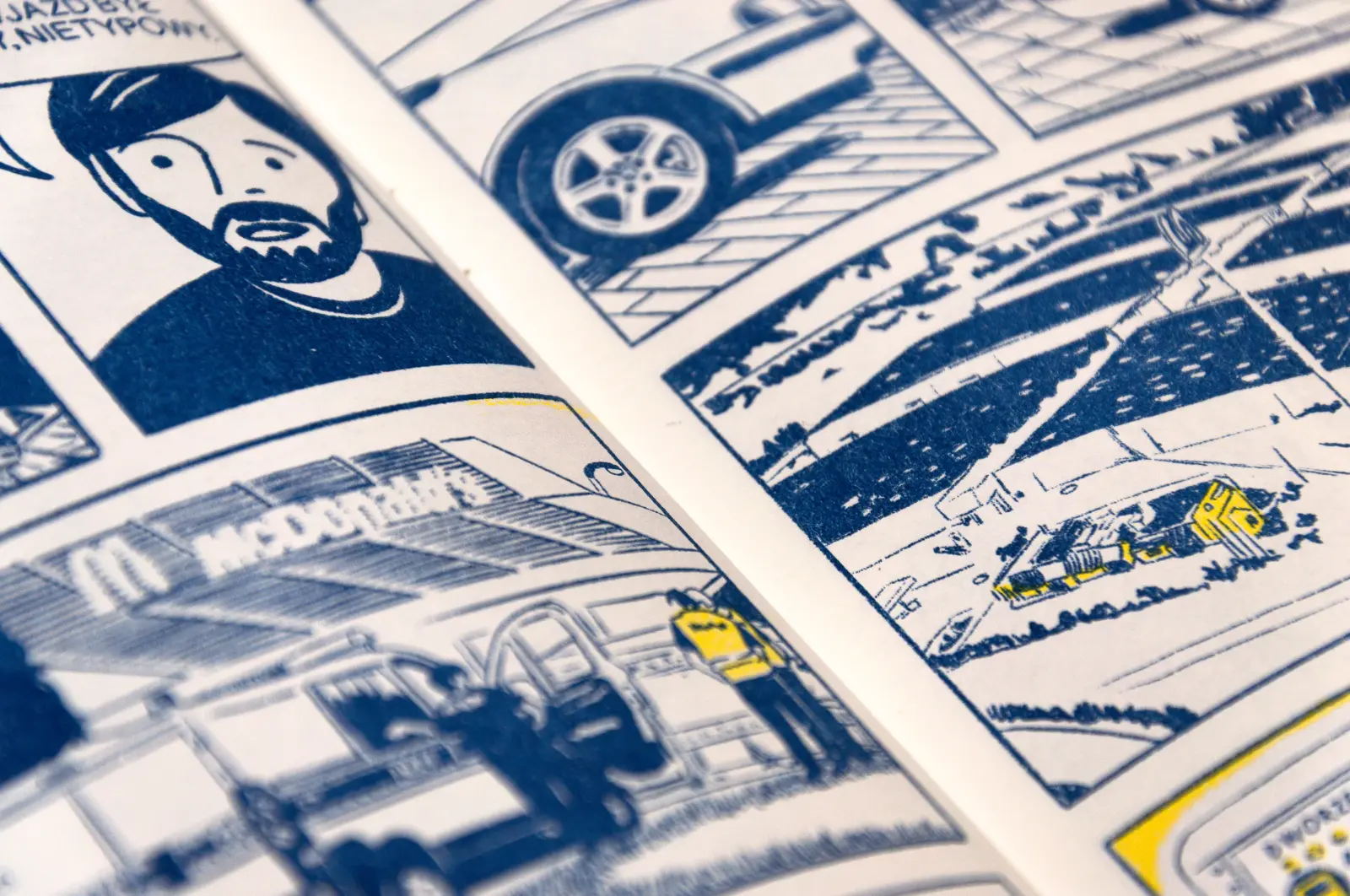
This is how literary critic Olga Wróbel commented on the comic:
Less is more, or Kuba Maria Mazurkiewicz, in two colors and on a dozen or so pages, does what many people fail to do in their novels. He combines memories of growing up in the 1990s with the present-day anxieties of a mature father, a citizen of the (relatively) safe West (this is Poland, after all). The story takes place in a McDonald’s restaurant, which is supposed to be sterile, neutral and the same everywhere. However, it conveys different meanings depending on the time, place and sensitivity of the viewer.
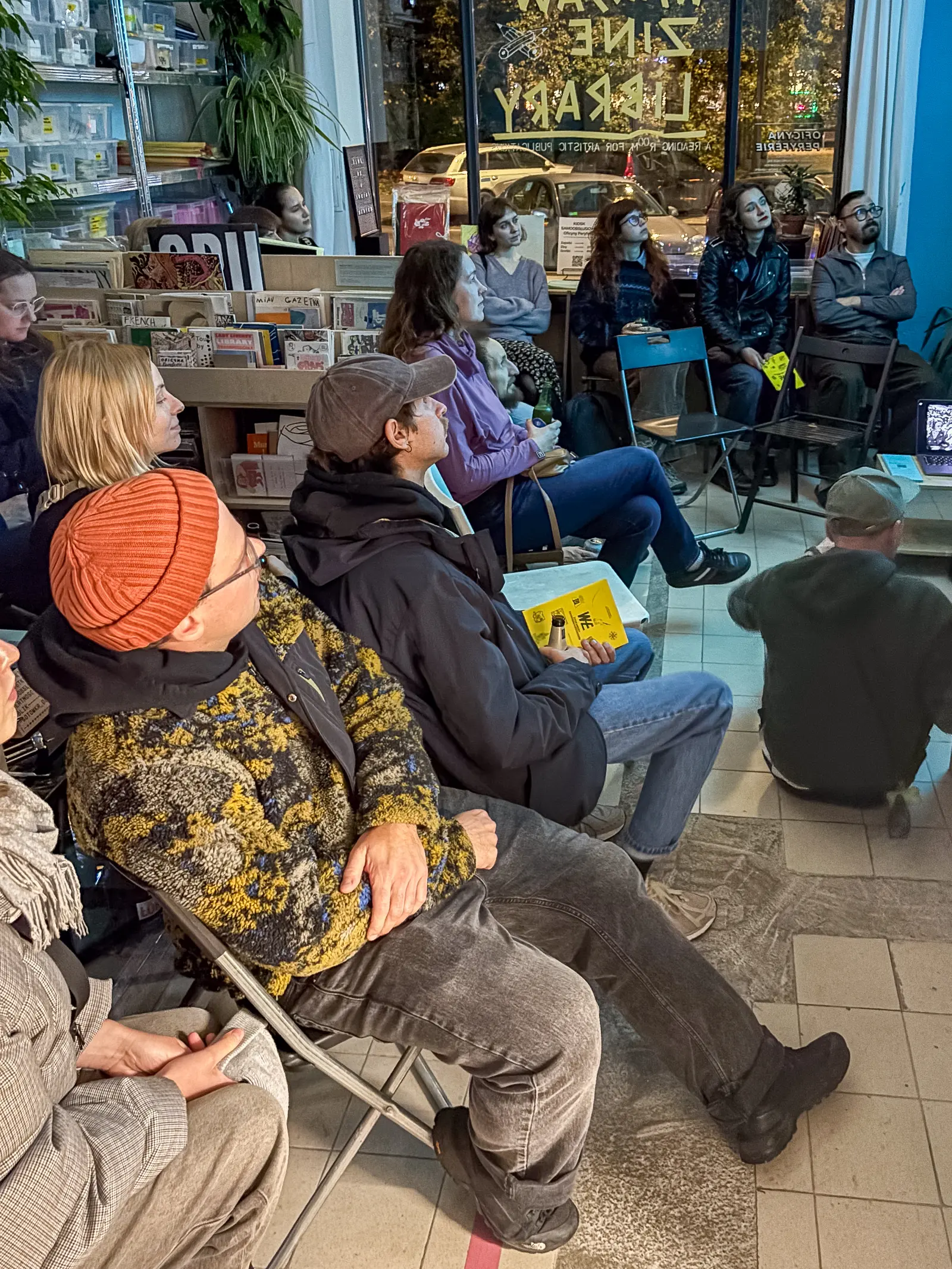
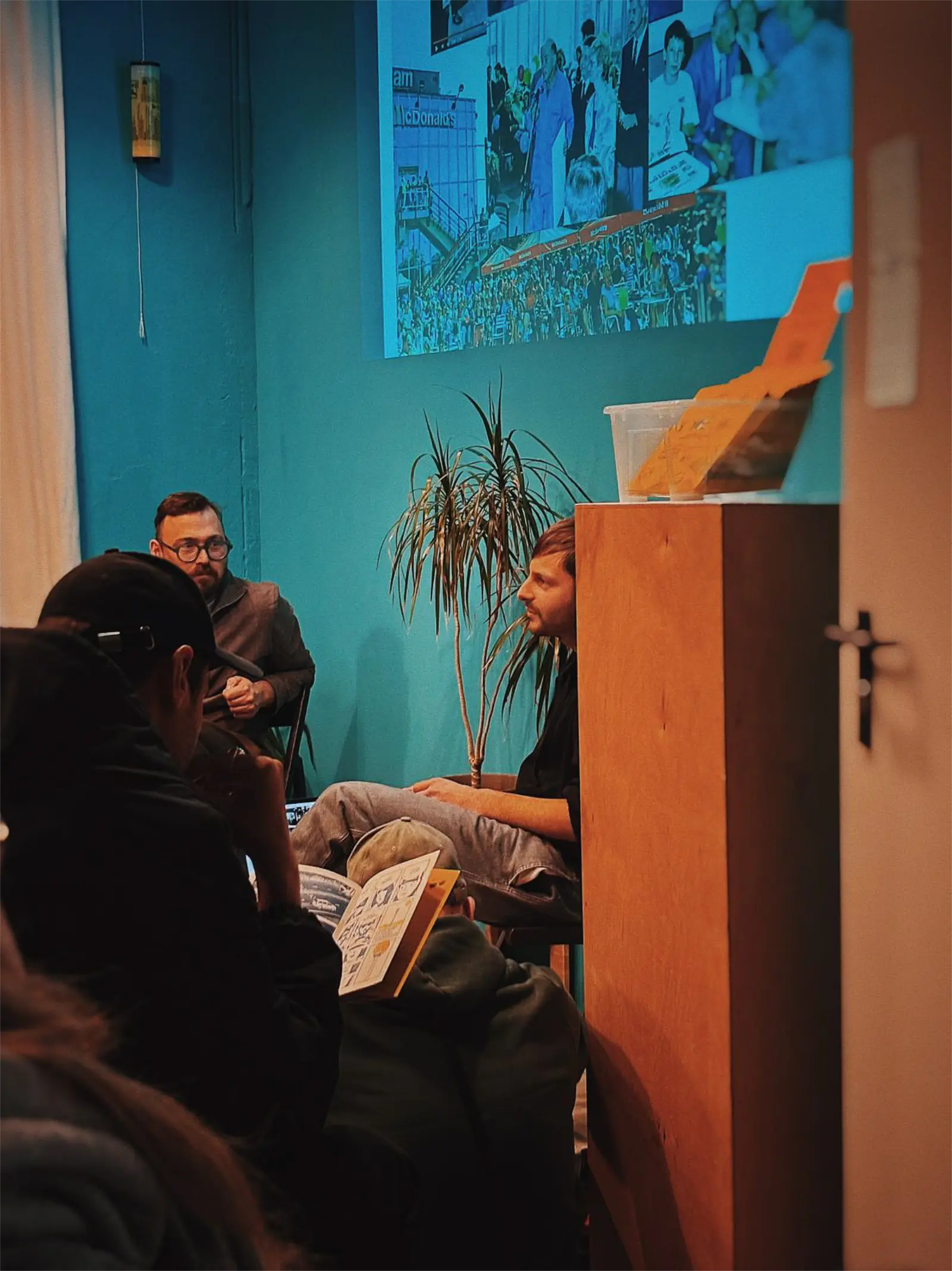
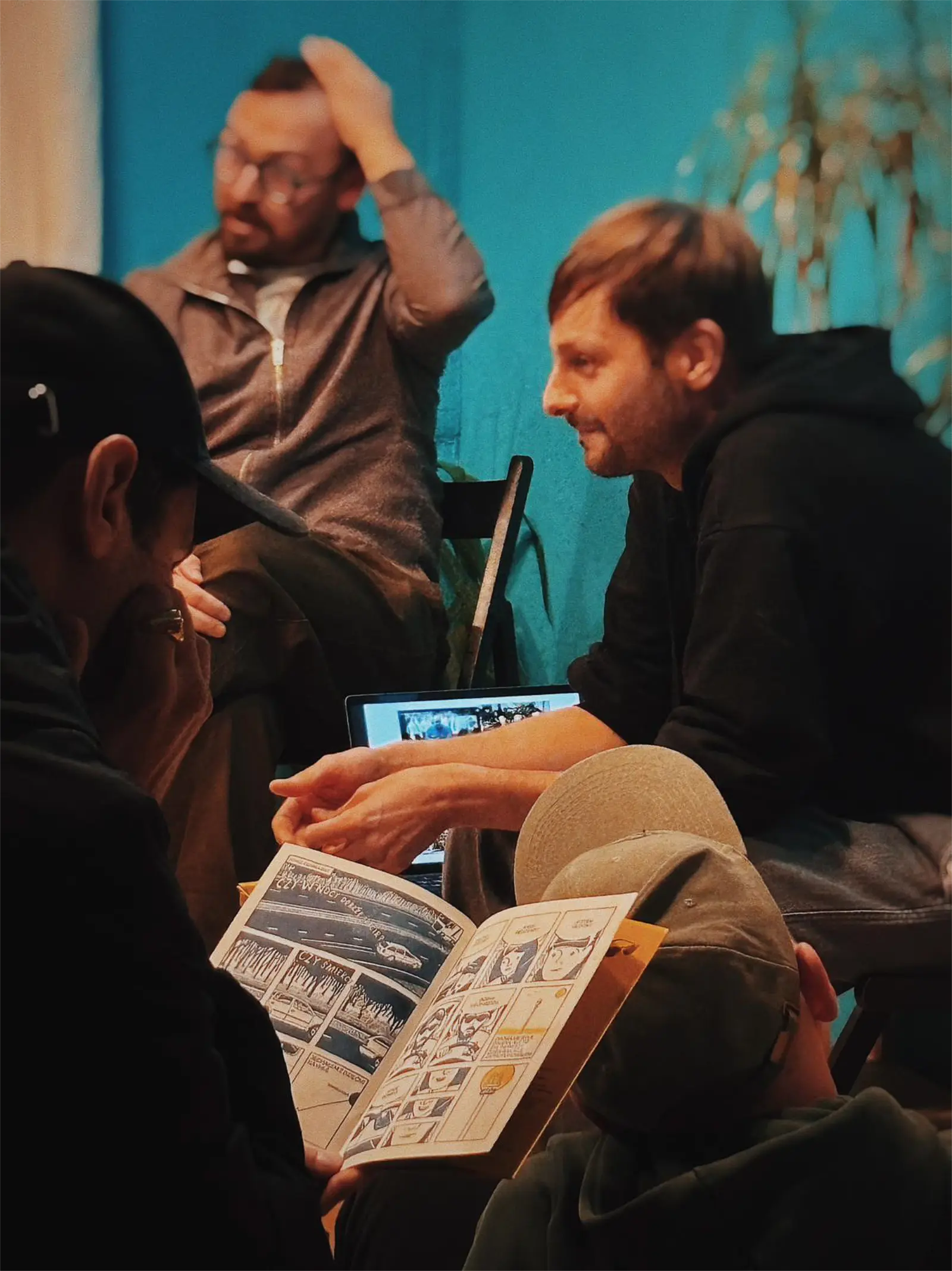
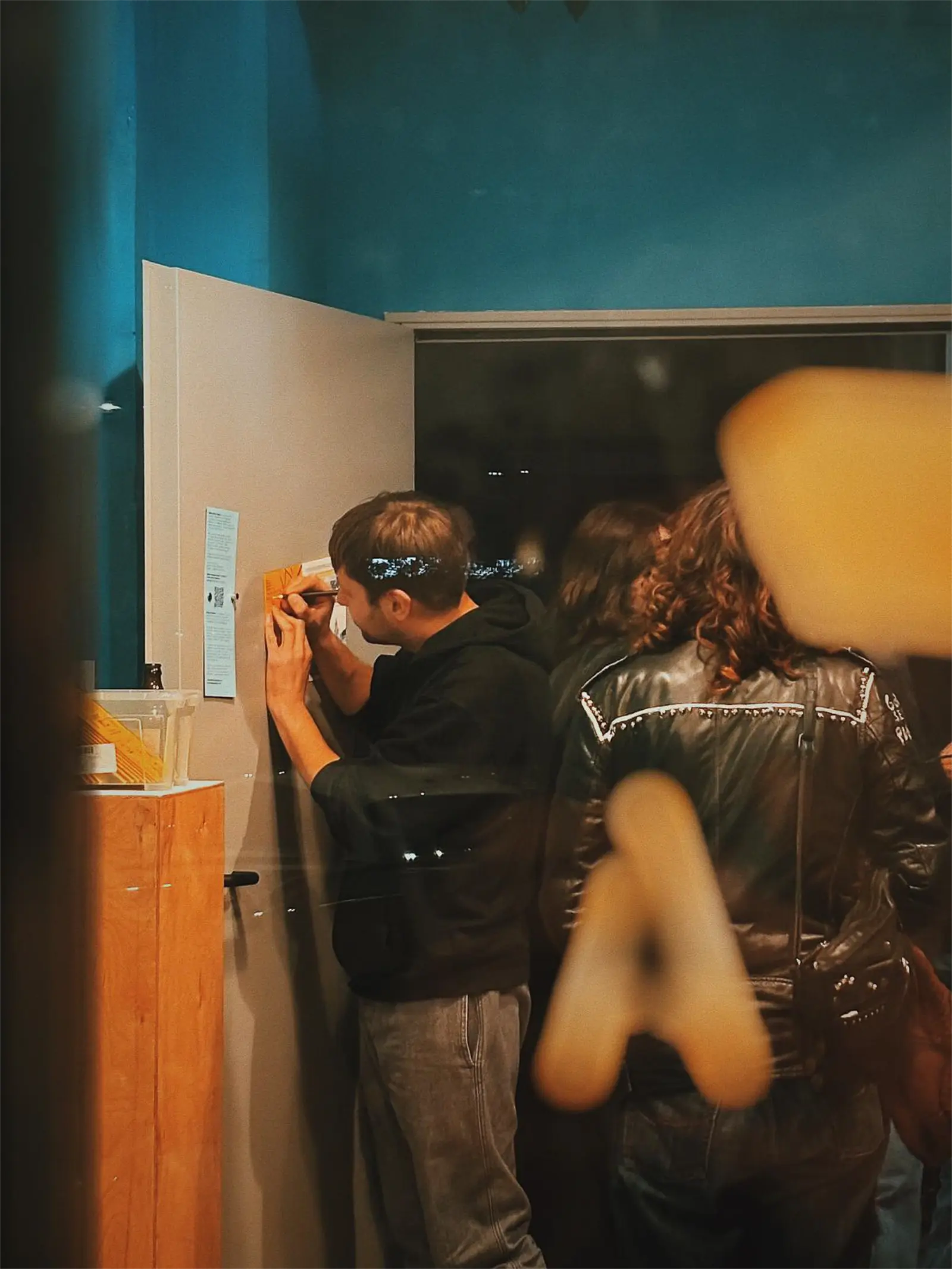
Premiere of the zine at Oficyna Peryferie, 17.10.2025, photos by Łukasz Walendziuk
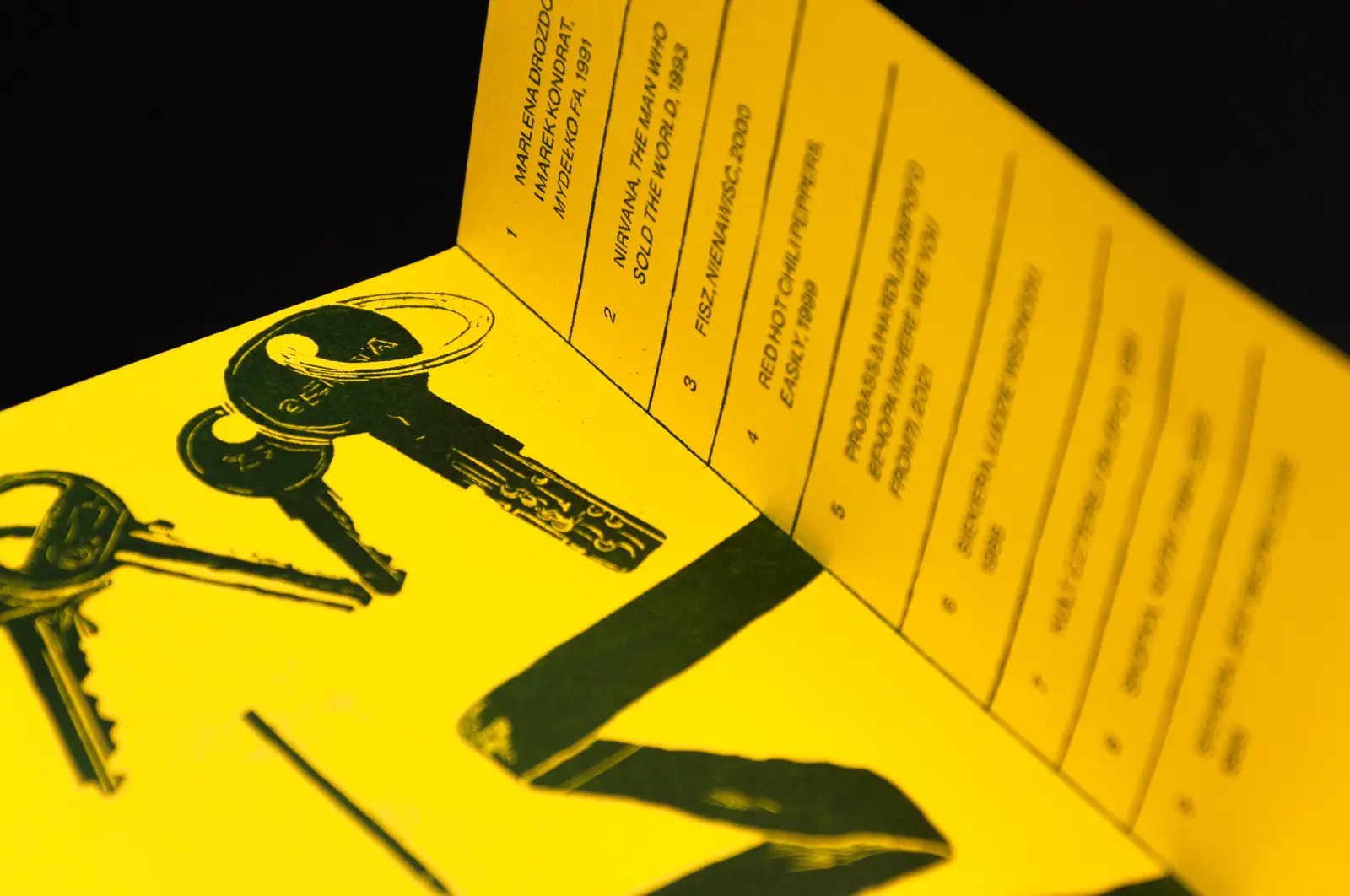
The comic book’s plot is filled with music, its playlist can be found on Spotify. The zine (with an English translation) is available for purchase at the Oficyny Peryferie store.